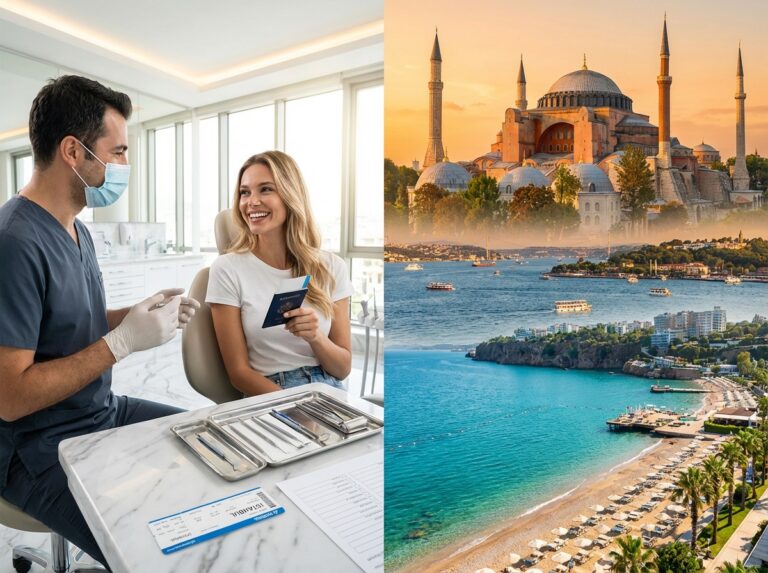
Istanbul has become a major hub for dental tourism, attracting US patients with lower prices, modern clinics, and experienced specialists. This guide explores how to compare clinics, estimate realistic costs, plan travel and recovery, and protect your health and investment when seeking dental care in Turkey. Read on for practical checklists and safety tips tailored to American travelers.
Why Istanbul draws international dental patients
The shift in how Americans handle dental health is impossible to ignore. For many, the local dentist in Manhattan or Chicago has become a luxury that is out of reach. This is why Istanbul has transformed into a global hub for dental work. It is not just about the lower price tag. The city has built an infrastructure that specifically caters to the needs of international travelers. By the end of 2025, Turkey has solidified its position as the third most popular destination for dental tourism worldwide, trailing only behind Hungary and Poland.
The Financial Reality for US Patients
The primary driver for this migration is the sheer cost difference. Patients from the United States often find that they can save between 70 percent and 80 percent on major procedures compared to what they would pay at home. This price difference is not a reflection of lower quality but rather a result of lower operational costs in Turkey; rent for clinical space and salaries for dental staff are significantly lower than in major US cities, and the exchange rate provides a massive advantage. For someone looking at a full mouth restoration, the savings can amount to tens of thousands of dollars. Even after factoring in a round-trip flight from the East Coast and a week in a high-end hotel, the total bill is usually a fraction of a US quote. These savings allow patients to choose premium materials, such as the Straumann dental implant system, which might have been unaffordable in a domestic clinic.
Clinical Standards and Training
The quality of care in Istanbul is often a surprise to first-time travelers. Private clinics in the city are frequently better equipped than many offices in the US. Turkish dentists undergo a rigorous five-year training program followed by specialized exams for those entering fields like oral surgery or orthodontics. Many of these professionals are members of the Turkish Dental Association, and their clinics often hold international certifications like ISO or JCI. The adoption of digital dentistry is standard here. You will find clinics using CBCT 3D imaging, digital impressions, and in-house CAD/CAM laboratories to ensure precision and speed.
Common Procedures for International Travelers
Most people traveling to Istanbul are not there for a simple cleaning. They are seeking life-changing restorative work. The most common treatments include:
- Dental implants for single or multiple missing teeth.
- Full-arch restorations, such as the All-on-4 or All-on-6 systems.
- Porcelain veneers and E-max crowns for cosmetic makeovers.
- Complex bridge work and full mouth rehabilitations.
- Orthodontic treatments, including clear aligners for those who can manage multiple visits.
The success rates for these procedures in top-tier Istanbul clinics are impressive, often reported between 95 percent and 97 percent for healthy patients with good hygiene.
The Role of Organized Patient Services
Istanbul has mastered the logistics of medical travel. Most clinics do not just provide dental work, they provide a full service package. This usually includes airport transfers in private vehicles and stays in 4-star or 5-star hotels located near the clinic. You will often be assigned a dedicated international patient coordinator who speaks fluent English. Approximately 90 percent of clinics catering to foreigners employ these coordinators to handle appointments, translate technical medical details, and assist with any needs during your stay. This level of organization reduces the stress of navigating a foreign healthcare system. Some of the best dental clinics in Turkey have built their entire business model around this seamless experience.
Tourism and Cultural Appeal
The “tourism” part of dental tourism is a genuine benefit in Istanbul. The city is a bridge between Europe and Asia, offering a rich history that you can explore between appointments. You can visit the Hagia Sophia, walk through the Grand Bazaar, or take a Bosphorus cruise. For many US patients, the ability to turn a stressful medical necessity into a cultural vacation is a significant psychological boost. The flight connections are also very convenient, with direct routes from major US hubs like New York, Los Angeles, and Washington D.C. arriving at the modern Istanbul Airport.
Advantages and Necessary Caution
While the benefits are clear, the market is massive and can be overwhelming. There are hundreds of clinics in Istanbul, and they are not all equal. The high demand has led to a rise in “dental centers” that prioritize volume over individual care. It is vital to look beyond the flashy social media ads. You must verify clinic claims and credentials directly. This means checking the specific qualifications of the dentist who will perform your surgery, not just the reputation of the clinic name. Istanbul remains the leading city for dental implants in 2025, but your success depends entirely on the quality of your chosen provider. In the following chapters, we will provide a checklist to help you vet these clinics and avoid common red flags like aggressive upselling or a lack of transparent treatment plans.
| Procedure | Estimated Istanbul Price | Estimated US Price | Typical Stay Required |
|---|---|---|---|
| Single Dental Implant | $400 – $800 | $3,000 – $5,000 | 5 – 7 Days |
| All-on-6 (Per Arch) | $9,200 – $12,500 | $28,000 – $52,000 | 10 – 14 Days |
| Porcelain Veneer (Per Tooth) | $150 – $300 | $1,000 – $2,500 | 5 – 7 Days |
| Zirconium Crown | $200 – $400 | $1,200 – $2,000 | 5 – 7 Days |
A Note on Safety and Verification
Safety in dental tourism is a product of research. You should always ask for a written treatment plan with an itemized cost breakdown before you leave home. Confirm which implant brands are used and ask where the lab work is performed. Reliable clinics will be transparent about their sterilization protocols and their complication policies. They should also be willing to provide references or show you time-stamped before-and-after cases. Taking these steps ensures that your journey to Istanbul results in a healthy smile rather than a medical headache.
How to evaluate and compare clinics and dentists in Istanbul
Finding the right dental provider in a city as large as Istanbul requires a methodical approach. The market is vast. It includes everything from small local offices to massive multi-story dental hospitals. You need to look past the shiny lobbies and focus on the technical qualifications of the people performing your surgery.
Verifying Professional Credentials
Educational Background
Every practicing dentist in Turkey must hold a degree from a recognized dental faculty. This involves five years of rigorous study. You should ask to see the diploma or the registration number of the dentist. Most reputable clinics will display these on their website. If the information is missing, it is a sign to look elsewhere. Specialists like oral surgeons or endodontists undergo an additional three to five years of training. You should verify that the person placing your implants is a certified oral surgeon or a periodontist. General dentists can place implants, but specialists have a deeper understanding of bone density and surgical complications.
Professional Memberships
Membership in the Turkish Dental Association (TDB) is mandatory for all dentists in Turkey. This organization sets the ethical and professional standards for the country. Many top-tier dentists also hold memberships in international bodies. Look for affiliations with the International Team for Implantology (ITI) or the American Academy of Cosmetic Dentistry. These memberships suggest the dentist stays updated on global trends and technologies. For example, Dr. Abdurrahman Ozturk’s clinic is often cited for its focus on advanced implantology and professional excellence in 2025.
Clinic Accreditations and Safety Standards
Ministry of Health Registration
The Turkish Ministry of Health strictly regulates dental tourism. Every clinic catering to international patients must have a specific health tourism authorization certificate. This ensures the facility meets specific requirements for equipment, hygiene, and patient rights. You can ask the clinic to provide their license number to verify it on the official government portal.
International Standards and Facility Type
Large dental hospitals often seek Joint Commission International (JCI) accreditation. This is a gold standard in healthcare, focusing on patient safety and quality of care. Hospital-based clinics are often better suited for patients with complex medical histories or those requiring general anesthesia, as they have full medical teams and emergency rooms on-site. Smaller boutique clinics or private dental centers might hold ISO 9001 certifications. These are usually more specialized in cosmetic work and offer a faster, personalized experience. Regardless of size, sterilization is critical. Confirm the clinic uses Class B autoclaves for all instruments, which use a vacuum system to ensure steam reaches every surface. In the post-COVID era, infection control protocols should be visible and documented.
Evaluating Clinical Evidence and Reviews
Before and After Galleries
Visual proof of work is essential. Look for high-resolution photos of cases similar to yours. Avoid clinics that use stock photos or heavily filtered images. The best galleries show the transition from the initial consultation to the final result. Ask if the clinic can provide time-stamped cases. This proves the work was performed recently by the current team. Some clinics, such as Vera Smile, have built strong reputations based on documented patient transformations and high satisfaction scores in 2025.
Patient Reviews and References
Third-party platforms provide the most honest insights. Check Google Reviews, Trustpilot, and RealSelf. Look for detailed accounts of the treatment process. Pay attention to how the clinic handles negative feedback. A professional response to a complaint is often more telling than a hundred five-star reviews. You can also ask the clinic for references. Speaking with a former patient from the US can provide peace of mind regarding the travel and recovery process.
Technology and Materials
Diagnostic Imaging
A modern clinic must have on-site 3D imaging. Cone Beam Computed Tomography (CBCT) is necessary for planning implants. It allows the surgeon to see the exact position of nerves and sinus cavities. If a clinic relies only on 2D X-rays for complex surgeries, they are not meeting current safety standards. Digital impressions using intraoral scanners are another sign of a high-tech facility. These scanners replace the uncomfortable putty molds used in the past.
Material Quality
Ask for the specific brands of implants and crowns. Premium brands like Straumann, Nobel Biocare, and Osstem are widely available in Istanbul. These brands offer global warranties. If an implant fails years later, a dentist in the US can easily find the parts to fix it. Ask where the laboratory work is performed. Clinics with in-house labs, like Estesie Dental, often provide faster turnaround times. They also allow for better communication between the dentist and the technician making your teeth.
| Vetting Factor | What to Look For | Why It Matters |
|---|---|---|
| Dentist Training | Specialist Certification | Ensures surgical expertise |
| Accreditation | Ministry of Health License | Legal safety and oversight |
| Imaging | CBCT / 3D Scans | Prevents nerve damage |
| Implant Brands | Straumann, Nobel, etc. | Global support and quality |
| Sterilization | Class B Autoclave | Prevents cross-contamination |
Communication and Legal Protections
Written Treatment Plans
Never agree to surgery without a detailed, itemized cost breakdown. This document should list the price of each implant, abutment, and crown. It should also include any extra costs like sedation or temporary teeth. Confirm that the clinic has dedicated international patient coordinators. These staff members should speak fluent English. They act as your bridge to the medical team.
Warranties and Malpractice
Ask about the clinic’s policy on complications. If a crown breaks within a year, will they replace it for free? Most reputable Istanbul clinics offer a five to ten-year warranty on lab work. Implants often come with a lifetime manufacturer warranty. However, clarify the logistics: while the clinic typically covers the cost of the new part and labor, you will likely need to pay for your own return flight and hotel stay. You should also confirm the clinic carries professional liability insurance. This is a standard requirement for private practices in Turkey. It protects you in the rare event of medical negligence.
Red Flags to Avoid
Aggressive Sales Tactics
Be wary of clinics that pressure you to make a quick decision. Dental care is a medical procedure, not a retail purchase. If a coordinator is pushing for more expensive treatments than you requested, it is a major red flag. A good dentist will offer a conservative plan first. They will explain the pros and cons of every option. Other warning signs include a lack of transparency about the dentist’s name or an unwillingness to provide a remote second opinion based on your local X-rays. If the communication feels like a sales pitch rather than a medical consultation, walk away.
Costs and what affects pricing in Istanbul dental care
Understanding the financial side of dental care in Istanbul requires looking past the initial price tag. The market is vast. Prices fluctuate based on several technical and professional factors. In late 2025, the gap between American and Turkish dental costs remains significant. Most patients see savings between 70% and 80% for major restorative work. These savings are not just about lower labor costs. They stem from a different economic structure and high competition among top tier clinics.
Common Procedure Price Estimates
The following table provides indicative price ranges for common treatments in Istanbul compared to average costs in the United States. These figures are subject to change based on the specific needs of each patient. All prices are in USD.
| Procedure Type | Istanbul Price Range | US Average Price |
|---|---|---|
| Single Dental Implant | $400 to $800 | $3,000 to $5,000 |
| Porcelain Veneer (per tooth) | $150 to $300 | $1,000 to $2,500 |
| Full Arch All-on-4 | $6,000 to $10,000 | $20,000 to $40,000 |
| Full Arch All-on-6 | $9,200 to $12,500 | $28,000 to $52,000 |
| Zirconium Crown | $200 to $400 | $1,200 to $2,000 |
| Professional Teeth Whitening | $150 to $300 | $500 to $1,000 |
Factors Influencing Price Differences
Clinician Experience and Specialization
A general dentist will charge less than a specialized prosthodontist or oral surgeon. Specialists in Istanbul often have international training. Their expertise in complex cases like full mouth reconstructions justifies a higher fee. Choosing a clinic with highly experienced staff ensures better long term outcomes. You can find more details on top providers in this Top 10 Dental Clinics in Turkey (2025 Edition) list.
Implant Brands and Component Quality
The brand of the implant is a major cost driver. Premium brands like Straumann or Nobel Biocare cost more because they have decades of research and global support. Many clinics offer local or generic brands at a lower price point. It is important to ask for the specific brand and model. This ensures you can get parts or service if you need help back in the US. Some clinics use stock abutments to save money. Custom abutments are better because they are designed for your specific gum shape. They cost more but provide a more natural look.
Digital Planning and Navigation
Modern clinics use 3D imaging and CBCT scans for every implant case. Digital surgical guides allow for precise placement. This technology reduces the risk of complications. It also adds to the diagnostic fee. Clinics that invest in the latest technology often have slightly higher prices. This investment usually leads to faster healing and better success rates.
Laboratory Location and Turnaround
In-house dental labs are a huge advantage in Istanbul. They allow the dentist to work directly with the technician. This results in better color matching and faster adjustments. Clinics that outsource to external labs may have longer wait times. They might also have less control over the materials used in your crowns or veneers. In-house work often saves you 10% to 20% on the final bill.
Anesthesia and Sedation Options
Local anesthesia is standard and usually included in the quote. If you require IV sedation or general anesthesia, expect to pay extra. These services require an anesthesiologist. The cost for sedation typically ranges from $200 to $400 per session. This is a common requirement for patients with dental anxiety or those undergoing long surgeries.
Complex Cases and Time Requirements
Multi-unit treatments or full arch cases like All-on-4 require more than just the implants. These cases often involve bone grafting or sinus lifts. If your jawbone has thinned, you will need these extra steps to support the implants. Bone grafting adds several hundred dollars to the cost. It also increases the time you need to stay in the city. A complex case might require two or three separate trips over six months to allow for proper healing. You can find a Definitive Guide to Dental Implants in Istanbul (2025 Prices) to help plan these multi-stage treatments.
Extra Costs and Contingencies
The dental quote is only one part of your budget. You must account for travel expenses. Roundtrip flights from the US East Coast to Istanbul currently cost between $800 and $1,500. Accommodation in a recovery-friendly hotel near the clinic will cost $100 to $200 per night. Many clinics include local transfers from the airport and hotel. If they do not, you should budget for taxis or private drivers. Translator fees are rarely an issue in international clinics. Most have English-speaking coordinators. It is wise to keep a contingency fund of 10% for unexpected needs. This could cover extra medications or an additional night of stay if you need more recovery time.
Payment Logistics and Negotiating Packages
You should always ask for a written, itemized treatment plan. This document must list everything included in the price. Check if the quote covers temporary prostheses, final crowns, and all lab fees. Many clinics offer multi-visit packages that bundle these costs. Negotiating a package can lead to better rates for full mouth work. Regarding payment, most clinics require a deposit of 20 to 30 percent to secure your surgery date and pre-order materials. The remaining balance is typically paid at the clinic after your first consultation. Many clinics offer a small discount if you pay the balance in cash with US Dollars or Euros. Always get a printed receipt for every transaction. For more context on the market, you can check The Best Cities and Clinics for Dental Implants in Türkiye in 2025 to see how Istanbul compares to other hubs. Savings are smaller for minor procedures like a single filling or a simple cleaning. In those cases, the travel costs often outweigh the dental savings. Istanbul is most cost-effective for those needing significant restorative or cosmetic work.
Planning your trip and clinical timeline for safe outcomes
Successful dental travel requires more than just finding a low price. It demands a logistical plan that accounts for biology as much as it does for flight schedules. Moving from the cost analysis of the previous section, the focus shifts to the practical steps of getting to Istanbul and managing the recovery process. This phase begins months before you board a plane.
Initial Research and Remote Consultations
The process starts with a digital screening. Most reputable clinics in Istanbul now require high-resolution photos of your teeth and a recent panoramic X-ray or CBCT scan. You can often get these from your local dentist for a small fee. Sending these files allows the Turkish clinical team to assess bone density and the feasibility of implants before you commit to a flight. During these remote sessions, ask about the specific brands of materials they use. Many top-tier facilities, such as the clinic of Dr. Abdulrahman Ozturk, provide detailed video consultations to explain the surgical steps. This is the time to request a formal quote that includes every potential cost, from the abutment to the temporary crowns.
Passport and Visa Requirements for US Citizens
US travelers must ensure their passport is valid for at least six months beyond their planned date of entry into Turkey. If your passport expires sooner, renew it before booking. You will also need an e-Visa. As of late 2025, the process remains straightforward through the official government portal. The fee is typically around sixty dollars. It is wise to print a physical copy of your e-Visa even though it is linked to your passport electronically. Regarding health entry rules, there are currently no mandatory vaccine requirements for US citizens entering Turkey. However, you should always check the latest CDC and Turkish Ministry of Health updates a few weeks before departure to confirm no new protocols have been implemented.
Scheduling the Treatment Timeline
Treatment duration varies significantly based on the procedure. You cannot rush the biological process of healing. For crowns or veneers, a single trip of five to seven days is usually sufficient. Dental implants require a two-stage approach. The first visit involves the surgical placement of the implant post. You should plan to stay for seven to ten days to allow for initial healing and a follow-up check before flying. After this, a three to six-month waiting period is necessary for the bone to fuse with the implant. You then return for a second trip of about a week to have the final permanent crown fitted. Some clinics offer “immediate load” implants, but these are only suitable for specific candidates with high bone density.
| Procedure Type | Minimum Stay | Number of Visits |
|---|---|---|
| Single Crowns or Veneers | 5-7 Days | 1 Visit |
| Standard Dental Implants | 7-10 Days | 2 Visits (3-6 months apart) |
| All-on-4 Full Arch | 10-14 Days | 2 Visits |
| Bone Grafting + Implants | 10-12 Days | 2-3 Visits |
Flights and Recovery-Friendly Lodging
Direct flights from the US East Coast to Istanbul take roughly ten to twelve hours. Booking a flight that arrives in the afternoon allows you to settle into your hotel before a morning appointment. When choosing accommodation, stay within a short radius of the clinic. Many international patients prefer the Nisantasi or Besiktas districts because they are walkable and close to major dental hubs. Ensure your hotel has reliable elevator access and 24-hour room service. You will likely want soft food options like soups or yogurt during the first forty-eight hours after surgery. Many clinics now include hotel packages in their quotes, which often feature properties experienced in hosting dental tourists.
Pain Management and Packing Essentials
Pack a dedicated folder with physical and digital copies of your dental records, including the treatment plan agreed upon during your consultation. Bring a supply of any regular medications you take. While Turkish pharmacies are excellent and often sell over-the-counter medications that require prescriptions in the US, it is better to have your own supply of ibuprofen or acetaminophen. Include a neck pillow for the long flight home and a cold compress wrap for your jaw. Post-operative swelling is common, and consistent icing during the first twenty-four hours is the best way to manage it.
Managing Complications and Insurance
Before leaving Istanbul, obtain a complete “patient passport” for your implants. This document must list the brand, model, and diameter of the implants used. This information is vital if you ever need a repair back in the US. Most high-end clinics, including those listed in the Top 10 Dental Clinics in Turkey (2025 Edition), offer warranties on their work. These guarantees typically cover the cost of replacement parts or labor if a failure occurs within a certain timeframe. If a complication arises once you are home, use tele-dentistry for an initial assessment. Additionally, consider travel insurance that specifically covers medical complications abroad. Standard US dental insurance rarely covers elective procedures performed internationally, though some premium plans might offer “out of network” reimbursement if the procedure is deemed medically necessary.
Tourism and Mobility Expectations
It is tempting to see the Hagia Sophia or cruise the Bosphorus, but you must prioritize rest. If you undergo surgery under IV sedation or general anesthesia, you will be groggy for the remainder of the day. Do not plan any sightseeing for at least forty-eight hours after implant surgery. You should also wait at least 48 to 72 hours before boarding a long-haul flight back to the US, as changes in cabin pressure can cause discomfort. If your surgery involved a sinus lift, you might need to wait even longer to avoid pressure issues in your nasal cavities. Istanbul is a hilly city with many cobblestone streets. Use taxis or ride-sharing apps like BiTaksi instead of walking long distances during your recovery week. Setting realistic expectations for your energy levels will prevent exhaustion and promote better healing. For more details on what to expect regarding local standards, you can refer to A Definitive Guide to Dental Implants in Istanbul (2025 Prices) to understand the full scope of the patient experience.
Final recommendations and conclusions
The dental market in Istanbul has reached an incredible scale by the end of 2025, offering a viable alternative for patients facing prohibitive costs in the United States. However, the massive growth of this market brings both opportunity and a need for extreme caution. You are looking at a landscape with hundreds of clinics competing for your attention. The success of your trip depends on your ability to separate marketing hype from clinical reality. You must remember that while the financial savings are guaranteed, the clinical outcome depends entirely on your choice of provider.
Your first actionable step is to find a balance between cost and risk. Do not simply choose the lowest price you find on social media. The most successful patients in 2025 are those who prioritize clinics with transparent data. You should look for providers that report their success rates openly. Many top tier clinics in Istanbul now report implant success rates above ninety five percent. Some specialized centers even reach ninety seven percent for full arch restorations. These numbers are comparable to the best dental schools in the United States. If a clinic cannot provide these statistics or seems evasive about their long term results, you should look elsewhere.
Vetting is the most time consuming part of the process but it is the most vital. You need to verify that your chosen dentist is a member of the Turkish Dental Association. This membership ensures they meet the national standards for education and practice. You should also check if the clinic is registered with the Turkish Ministry of Health. This registration is mandatory for any facility treating international patients. You can often find these credentials on the clinic website or by asking for their health tourism authorization certificate.
Getting everything in writing is another non negotiable requirement. You should never fly to Turkey without an itemized treatment plan. This document must list every single tooth, every implant brand, and every associated fee. It should specify if the price includes the abutments and the final crowns. In 2025, reputable clinics often use premium brands like Straumann to ensure longevity. Your written plan should name the specific implant system being used. This transparency prevents surprise costs once you are already in the dentist chair. It also gives you a document to refer to if the treatment changes during your visit.
Before you finalize your booking, use this list of final requirements to ensure you are ready for the trip.
Final Pre-Booking Checklist
Confirm the dentist has a university degree and specialist training in implantology or prosthodontics. Verify their registration with the Turkish Ministry of Health.
Request a full itemized quote that includes all materials, laboratory fees, and any package inclusions like hotel or transport.
Verify the clinic warranty in writing. Ask for the specific protocol they follow if a patient requires a follow up after returning home.
Check your passport validity. It must be valid for at least six months from your date of entry. Apply for your Turkish e-Visa online before you depart.
Plan your contingency funds. Have extra money set aside for unexpected local costs or a few extra nights in a hotel if your recovery takes longer than expected.
The following table summarizes the typical expectations for a dental trip to Istanbul in late 2025.
| Treatment Type | Typical Stay Required | Estimated Savings vs US | Success Rate |
|---|---|---|---|
| Single Dental Implant | 5 to 7 Days | 75 Percent | 95 Percent |
| Full Arch (All-on-6) | 10 to 14 Days | 70 Percent | 97 Percent |
| Porcelain Veneers | 5 to 7 Days | 80 Percent | 98 Percent |
| Dental Crowns | 3 to 5 Days | 80 Percent | 98 Percent |
Making an informed decision is the only way to ensure a positive outcome. Istanbul offers an incredible opportunity to restore your smile without the crushing debt often associated with American dentistry. By following a strict vetting process and planning for a slow recovery, you can navigate this massive market safely. You should feel confident in your choice when you have done the research and verified the credentials of your medical team. Careful planning is the bridge between a risky gamble and a successful clinical transformation. For more details on specific locations, you can look into The Best Cities and Clinics for Dental Implants in Türkiye in 2025 to see how Istanbul compares to other regions. You can also review A Definitive Guide to Dental Implants in Istanbul (2025 Prices) for the most current cost breakdowns. Taking these final steps will help you achieve the best possible results for your health and your budget.
Sources
- The Best Cities and Clinics for Dental Implants in Türkiye in 2025 — Among these, Istanbul, Antalya, and Izmir stand out in 2025, each offering unique advantages that cater to both local and international patients …
- Turkey Dental Statistics (2025) – UK Smiles — 60% growth in the number of UK patients traveling to Turkey for dental work between 2019 and 2022 [1]. · 150,000-200,000 UK residents visit …
- A Definitive Guide to Dental Implants in Istanbul (2025 Prices) — How much do dental implants cost in Istanbul? Dental Implants in Istanbul are known for their affordability compared to Western countries.
- Top 10 Dental Clinics in Turkey (2025 Edition) | The Jerusalem Post — Top 10 Dental Clinics in Turkey (2025 Edition) ; Vera Smile — Istanbul. Best Overall Experience ; Alanya Dental Clinic — Alanya. Most Established …
Legal Disclaimers & Brand Notices
The information provided in this article is for informational and educational purposes only and does not constitute professional medical advice, diagnosis, or treatment. Always seek the advice of your dentist, physician, or other qualified health provider with any questions you may have regarding a medical condition or procedure. Never disregard professional medical advice or delay in seeking it because of something you have read in this content.
All product names, logos, brands, and registered trademarks mentioned in this text—including but not limited to Straumann, Nobel Biocare, Osstem, E-max, and All-on-4—are the property of their respective owners. All company, product, and service names used in this website are for identification purposes only. Use of these names, trademarks, and brands does not imply endorsement or affiliation.