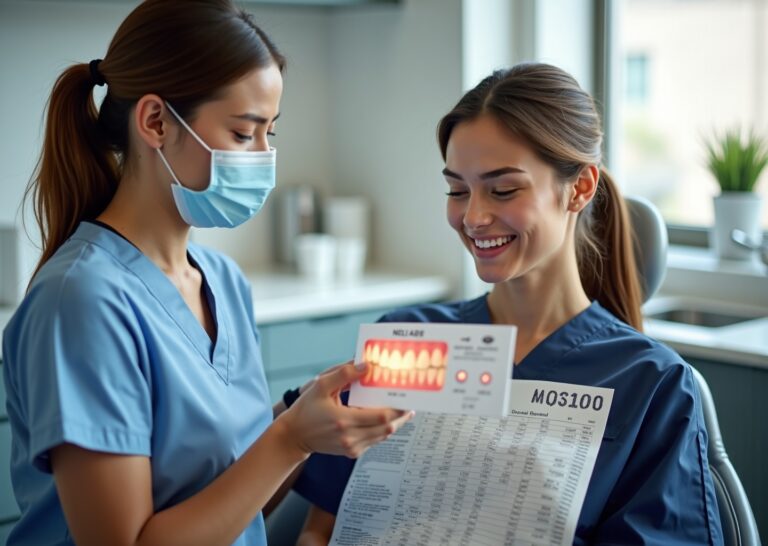
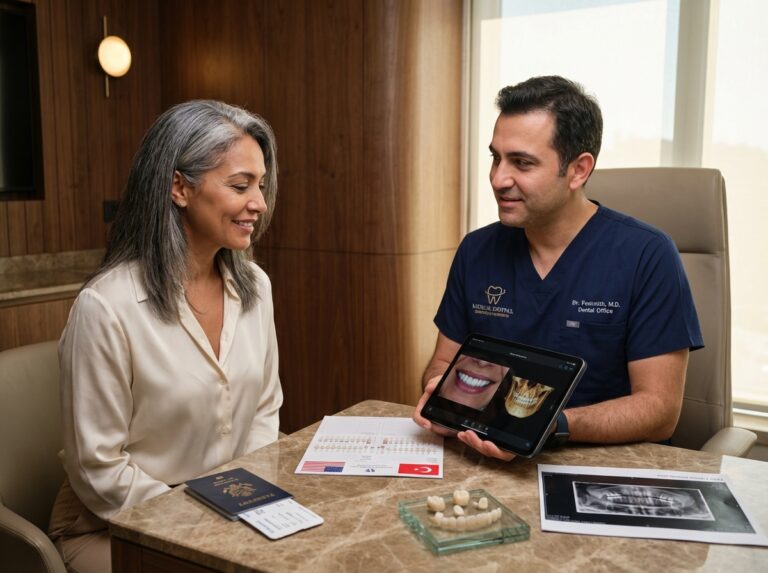
Dental tourism to Turkey remains a top choice for affordable crowns and full mouth restorations, yet concerns about aggressive crown preparations persist. This article explores why aggressive preps happen, how they affect tooth health and aesthetics, and practical steps travelers can take to evaluate clinics, protect their teeth, and plan safe, cost-effective treatment abroad.
Why Patients Choose Turkey for Dental Care and What to Expect
The landscape of dental tourism in Turkey has shifted significantly as we move through late 2025. What used to be a niche market for extreme makeovers has evolved into a highly regulated, multi-billion dollar industry. Turkey now ranks third globally for dental tourism, trailing only behind Hungary and Poland. This growth is fueled by a combination of massive cost savings and a rapid adoption of digital dental technology that often outpaces local clinics in the United States.
Patients are traveling to Turkey for several practical reasons. The most obvious is the price gap. While a single zirconia crown in a major US city can easily cost between $1,200 and $2,500, the same restoration in a top-tier Turkish clinic typically ranges from €210 to €300. These savings remain consistent even when factoring in flights and luxury accommodations. Beyond the price, the efficiency of Turkish clinics is a major draw. Many facilities operate as full-service hubs with in-house laboratories and advanced CAD/CAM workflows. This allows for a level of speed that is rarely seen in the US, where crowns often require two weeks and multiple appointments due to external lab shipping.
The financial aspect is best understood through a direct comparison of current 2025 market rates.
| Treatment Type | Typical US Cost (USD) | Typical Turkey Cost (EUR) | Estimated Savings |
|---|---|---|---|
| Zirconia Crown | $1,200 – $2,500 | €210 – €300 | 75% – 85% |
| E.max Porcelain Crown | $1,400 – $2,600 | €275 – €350 | 70% – 80% |
| PFM (Porcelain Fused to Metal) | $900 – $1,800 | €200 – €250 | 75% – 80% |
| Temporary Provisional | $200 – $500 | Included in package | 100% |
These prices vary depending on the city and the specific clinic. Istanbul remains the primary hub, home to world-renowned facilities like WestDent and EsteDent. Antalya has become the go-to destination for those looking to combine surgery with a Mediterranean resort stay, while Izmir and Ankara offer highly competitive rates with a more local, less “touristy” feel. According to Turkey Dental Statistics (2025), the industry now contributes over £600 million annually to the Turkish economy, reflecting the sheer volume of international patients.
The typical patient experience follows a structured timeline designed for international travelers.
Initial Consultation and Scans
The process begins with digital imaging, including CBCT bone scans and intraoral 3D scanning. This happens on the first day to create a precise digital map of the mouth.
Preparation and Temporaries
The teeth are prepared for the crowns. High-quality clinics provide immediate temporary provisionals so patients never leave the office with “shaved” teeth exposed. This is a critical safety and comfort step.
Lab Turnaround
While the patient explores the city, the in-house lab uses CAD/CAM milling to create the final restorations. This usually takes three to five days.
Trial and Cementation
The final crowns are tried in for fit and aesthetics. Once the patient and dentist are satisfied, they are permanently cemented. Most clinics require a final check-up 24 hours later to ensure the bite is perfect.
Safety and quality indicators have become more transparent due to the Affordable Dental Treatment in Turkey 2025 guidelines introduced by the Ministry of Health. These regulations mandate that clinics catering to international patients must hold specific authorizations. When choosing a facility, look for JCI (Joint Commission International) accreditation or Turkish Ministry of Health certification. A reputable clinic should offer English-speaking coordinators and provide detailed material certifications for the brands they use, such as Ivoclar or Straumann.
Travel logistics require careful planning. For a single crown or a small bridge, a trip of seven days is usually sufficient. Complex full-mouth rehabilitations often require ten to fourteen days or even two separate trips spaced months apart. Anesthesia norms in Turkey lean toward local numbing, but many clinics now offer sedation or general anesthesia for anxious patients.
It is vital to secure travel insurance that specifically covers dental complications. Many top clinics now offer their own warranties, often ranging from five to ten years, but these usually require the patient to return to Turkey for any repairs. Before booking, confirm the post-operative plan and ensure there is a clear protocol for communication once you return home. The global market for this type of care is projected to reach over $40 billion by 2035, as noted in recent reports on Dental Tourism Turkey 2025, making it more important than ever to distinguish between high-volume “smile factories” and clinical centers of excellence.
Understanding Aggressive Crown Preparations and Their Consequences
Many people see the “Turkey Teeth” trend on social media and think it is just a simple cosmetic upgrade. The physical reality of these transformations often involves a process called aggressive crown preparation. This means the dentist removes a significant amount of the natural tooth enamel and dentin to make room for a porcelain or zirconia cap. While some reduction is always necessary for a crown, the scale of removal seen in many high speed dental tourism cases is often extreme.
In a conservative or minimally invasive approach, a dentist might only remove 0.5 to 1.5 millimeters of tooth structure. This is common for veneers or high end bonded restorations where the goal is to keep as much natural enamel as possible. Aggressive preparation often involves stripping away 2 millimeters or more from every side of the tooth. This turns a healthy, functional tooth into a small peg. When you lose that much structure, you are moving very close to the pulp. This is the living center of the tooth that contains nerves and blood vessels. If the remaining dentin is less than 1 millimeter thick, the risk of permanent nerve damage increases significantly. This often leads to extreme sensitivity or the need for a root canal shortly after the crowns are fitted.
Anatomical Risks and Structural Integrity
The Ferrule Effect
One of the most critical concepts in restorative dentistry is the ferrule effect. This refers to the 1.5 to 2 millimeters of vertical tooth structure that the crown must “grab” onto above the gum line. This collar of natural tooth provides the mechanical strength to prevent the tooth from snapping off at the gum line under the pressure of chewing. When a preparation is too aggressive, the dentist may leave very little height. This makes the restoration much more likely to fail or break the underlying tooth root.
Biologic Width Management
Another risk involves the biologic width. This is the natural distance required between the edge of the crown and the bone that supports the tooth. If a dentist cuts too deep into the gums to hide the edge of a crown, it invades this space. The body reacts with chronic inflammation, bleeding gums, and eventually bone loss. This is why some patients notice their gums look purple or swollen even months after their treatment in Turkey.
Drivers of Aggressive Prepping
There are several reasons why clinicians might choose aggressive reduction over conservative methods. Commercial pressure is a major factor. Standardizing preparations allows a clinic to move through patients quickly. If every tooth is cut down to a small peg, the dental lab can produce crowns faster without worrying about the unique contours of the original teeth. Material choice also plays a role. Zirconia is very popular because it is incredibly strong and hides dark underlying teeth. However, zirconia requires a certain thickness to look natural and provide structural integrity. If the tooth is not reduced enough, the final crown will look bulky or “chiclet-like.”
| Material Type | Typical Reduction | Preservation Level |
|---|---|---|
| Porcelain Veneers | 0.3mm to 0.7mm | High |
| E.max Crowns | 1.0mm to 1.5mm | Moderate |
| Zirconia Crowns | 1.5mm to 2.0mm | Low |
Clinical Signs and Long Term Outcomes
Patients can look for specific signs during their treatment. If your teeth look like tiny spikes before the temporary crowns are placed, the preparation was likely aggressive. Immediate post operative sensitivity to cold or heat is another red flag. While some sensitivity is normal, sharp pain usually indicates the pulp is under distress. Poorly adapted margins where the crown meets the gum can lead to recurrent decay. Since the natural tooth is so small, there is very little room for error. If decay starts under an aggressively prepped crown, there may not be enough tooth left to fix it. This often results in the need for an extraction and a dental implant. According to Turkey Dental Statistics (2025) – UK Smiles, a significant number of patients require follow up care for these exact issues.
When Aggressive Reduction is Justified
It is important to note that more significant reduction is sometimes medically necessary. If a tooth has a massive old silver filling, deep decay, or has already had a root canal, there might not be much healthy enamel left. In these cases, removing the damaged parts and placing a full crown is the correct clinical choice. A dentist might also need to remove more structure to correct a severely improper bite or occlusion. The key is whether the reduction is being done to save a damaged tooth or if it is being done to a healthy tooth for the sake of speed and convenience. Modern adhesive protocols and CAD/CAM technology now allow for much more conservative “overlay” designs that preserve tooth structure, but these require more time and skill than a standard aggressive crown prep.
How to Vet Clinics Surgeons and Treatment Plans Before You Travel
Finding a clinic in Turkey requires more than just scrolling through Instagram. You need a system to separate the high-volume smile factories from the actual medical professionals. Start by checking for the 2025 Ministry of Health authorization. This is now mandatory for any clinic treating international patients. You can also look for JCI accreditation which shows the facility meets global safety standards.
When you look at before and after photos, be specific. Do not just look at white teeth. Find patients who are your age and have similar dental problems. If you have crowded teeth, look for how they handled crowding in others. Check if the gums look healthy and pink rather than red or swollen in the after shots. Ask about the laboratory they use. High-quality clinics often have in-house labs or partnerships with reputable technicians. They should be able to tell you exactly what materials they use, like E.max or specific brands of zirconia.
The clinical workflow tells you everything about the quality of care.
Digital Scanning and Planning
Top clinics use intraoral scanners instead of messy physical molds. This technology allows for better precision and a more comfortable experience. They should also use digital shade matching to ensure the crowns look natural next to your real teeth. Photographic documentation is another marker of quality. A good dentist will take high-resolution photos of your teeth from multiple angles before they ever touch a drill.
Provisionalization
Never let a dentist send you out with shaved teeth and no temporary covers. Quality clinics always place provisionals. These protect your sensitive dentin and help you test the look and feel of your new smile before the final crowns are cemented. If a clinic says they can skip this step to save time, it is a sign they are cutting corners on your health.
Written Treatment Plans
You need a document that lists every step. It should include a timeline and a full cost breakdown. This plan must explain why they chose crowns over more conservative options like veneers. It should also detail the risks of tooth reduction. Informed consent is not just a signature. It is a clear explanation of what is happening to your tooth structure.
Communication is your best tool for safety. Request a live video consultation with the actual dentist who will do the work. Many clinics use sales agents for the first contact. You need to speak with the medical professional. Ask them to email your CBCT scans or radiographs. You can take these to a local dentist in the US for a second opinion before you buy a plane ticket. This step is crucial to avoid the aggressive preparations discussed in the previous chapter.
Watch out for red flags that signal a focus on profit over health.
- Blanket guarantees that sound too good to be true. Real medical procedures have risks and conditions.
- Prices that are significantly lower than the Turkish average for complex cases.
- Refusal to perform vitality testing on your teeth before starting.
- Inability to provide detailed medical records or material certifications.
- Refusal to place provisionals or temporary crowns during the process.
Negotiating is common but do not push for the lowest price at the expense of quality. Ask if they offer a discount for cash payments or if they can include the cost of a custom night guard. You should plan to stay for at least seven to ten days for crown work. This gives the lab enough time to get the fit perfect. For full mouth cases, fourteen days is a safer minimum.
Before you leave home, find a local dentist who is willing to do follow-up care. Many US dentists are hesitant to touch work done abroad. Having a pre-arranged contact for cleanings or minor adjustments will save you stress later. The dental tourism market in Turkey has grown because of better patient protections introduced in 2025. Use those protections to your advantage by insisting on written warranties and post-operative care instructions. If you have questions about specific costs or travel logistics, the next section will cover the most common concerns patients have before booking their trip.
Frequently Asked Questions
These questions come up every time I talk to someone planning a trip to Istanbul or Antalya for dental work. They are high value concerns because they involve your long term health. Choosing to get crowns abroad is a big decision. You need clear answers before you book a flight.
Does aggressive crown prep always damage the tooth?
It does not always cause immediate failure. But it removes the protective enamel layer. If a dentist drills away too much, they get too close to the pulp. This causes heat damage or bacterial leaks. You might end up needing a root canal months after you get home. High quality clinics try to save as much natural tooth as possible. They use thin materials that require less drilling. If a dentist suggests shaving down healthy teeth for a “Hollywood Smile,” they are prioritizing looks over your tooth’s life span.
How long do crowns placed in Turkey typically last?
Most crowns in Turkey last between 10 and 15 years. This matches global standards for dental work. The top clinics in Turkey use digital scanners to ensure a tight fit. A tight fit prevents decay under the crown. If you grind your teeth or have poor hygiene, they will fail much sooner. Longevity also depends on the health of the tooth underneath. If the prep was too aggressive, the tooth might fail even if the crown stays intact.
Is a bonded zirconia or E.max crown safer than PFM?
Zirconia or E.max materials are biocompatible. They avoid the gum irritation often seen with metal based crowns. E.max is better for front teeth because it is translucent. Zirconia is better for molars because it is incredibly strong. Both allow for more conservative drilling compared to old fashioned porcelain fused to metal crowns. PFM crowns require a thicker layer of tooth removal to hide the metal core. Modern ceramics are usually the safer choice for preserving your natural structure.
Can I get a second opinion on my scans before traveling?
You should definitely do this. Ask for your CBCT or X-rays from your local dentist. Email them to the Turkish clinic. A reputable surgeon will give you a preliminary plan. You can also take that plan to a local prosthodontist for a second opinion. This helps you avoid surprises when you land. If a clinic refuses to look at your scans or gives a quote without seeing them, that is a major red flag.
What questions should I ask during the video consultation?
Ask who will actually do the drilling. Some clinics use “smile designers” for the sales pitch but different dentists for the work. Ask if they use CAD/CAM technology for the milling. Ask how they handle biologic width to ensure your gums stay healthy. You want to hear technical answers about tooth preservation. Ask about their protocol for pulp testing before they start the work. You need to know if your teeth are healthy enough for crowns in the first place.
How do temporary crowns and try-ins work?
You will get temporary crowns immediately after your teeth are prepared. These protect the sensitive dentin while the lab works. You usually wear them for 3 to 5 days. Never accept a plan where you are left with “shaved” teeth and no protection. It is a major safety risk. The “try-in” phase happens before final cementation. This is your chance to check the fit plus the color. Do not let them cement the final crowns until you are 100% happy with how they feel.
What are the realistic costs including travel?
While the unit cost of a crown is low (as detailed in the pricing table above), the total expenditure involves more than the dental bill. Most patients spend between £2,500 and £3,500 once you include flights plus hotels. Don’t forget to budget for a follow up visit back home. Local dentists often charge for an exam to check the new work. The average UK patient spend reflects these hidden costs. It is still cheaper than private care in the US or UK, but it is not “pocket change.”
What happens if complications arise after I return home?
This is a common issue. Statistics show that 86% of UK dentists have seen patients with complications from abroad. If a crown falls off, a local dentist can usually cement it back. But if you have a deep infection, you might need a root canal or an extraction. Most Turkish warranties require you to fly back to their clinic for free repairs. They rarely pay for treatment in your home country. You should have an emergency fund ready for local care just in case.
How do I verify lab and material authenticity?
Ask for the Material Passport. This document lists the brand plus the batch number of the ceramic or zirconia used. Top brands like Ivoclar or Straumann provide these. It proves you are getting genuine materials rather than cheap imitations. If a clinic cannot show you where their materials come from, look elsewhere. High quality labs are proud to show their certifications.
Are there legal or insurance protections for dental tourists?
The 2025 Ministry of Health regulations in Turkey have improved patient rights. Clinics must now have specific authorizations to treat international patients. However, suing a clinic from abroad is very difficult plus expensive. US or UK insurance rarely covers work done in Turkey. It is better to rely on a solid contract and a clinic with a long history of good reviews. Always check if the clinic has international accreditation before you book.
Final Results and Practical Recommendations
Choosing Turkey for dental crowns involves a balance between financial accessibility and biological cost. On one hand, you can save up to 80 percent compared to US prices. Many clinics in Istanbul and Antalya use advanced CAD/CAM technology and offer results in less than a week. On the other hand, the trend toward aggressive crown preparations carries a real risk of permanent tooth damage. Removing too much healthy enamel can lead to pulp death or the need for future root canals. You must also consider the difficulty of getting follow up care once you return home. Many local dentists are hesitant to repair work performed by another provider in a different country. This makes the initial choice of clinic and technique the most important part of your journey.
Prioritized Checklist for Your Dental Trip
Research Clinics and Credentials
The Turkish Ministry of Health introduced stricter regulations in 2025. Every clinic must have specific authorization for international health tourism. Check for JCI accreditation or MoH licensing before sending a deposit. You can find more about these standards in recent reports on affordable dental treatment in Turkey 2025. Look for clinics like WestDent or Dr. Terziler that have established reputations for using digital precision.
Request Scanned Records and Second Opinions
Ask for your CBCT scans and digital impressions before you fly. Take these files to a local dentist for a second opinion. A neutral party can tell you if a crown is actually necessary or if a more conservative treatment like a veneer would work. This step prevents unnecessary tooth reduction. If a clinic refuses to share your digital files, it is a major red flag.
Plan Adequate Trip Length
Avoid the three day smile makeover packages. Quality lab work takes time. Plan to stay at least seven to ten days for crown work. This allows for proper trial fittings and adjustments before the final cementation. Rushing the process often leads to bite issues and discomfort. According to Turkey dental statistics, patients who stay longer report higher satisfaction rates because their bite is properly calibrated.
Insist on Provisionals and Documented Consent
Never let a dentist prep your teeth without having temporary crowns ready. You should also sign a detailed consent form that outlines the specific materials being used. Ensure the clinic provides a certificate of authenticity for the zirconia or E.max blocks they use. This documentation is vital if you need a repair later.
Secure a Clear Warranty and Emergency Plan
A verbal promise is not enough. Get a written document that explains what happens if a crown chips or fails within the first few years. This should include an emergency contact protocol for when you are back in your home country. Ask if they have partner clinics in your region for minor adjustments.
Decision Criteria for Choosing Your Provider
| Factor | Local Treatment | Turkey Dental Tourism |
|---|---|---|
| Average Cost per Crown | $1,200 to $2,500 | €200 to €300 |
| Treatment Timeline | 2 to 4 weeks | 5 to 7 days |
| Follow up Care | Immediate and local | Requires international travel |
| Tooth Preservation | Often more conservative | Risk of aggressive preparation |
Deciding to travel for dental care depends on several personal factors. If your case is straightforward, such as needing one or two crowns, the travel costs might outweigh the savings. However, for those needing extensive restorative work, the savings are significant. You should stay local if you have complex medical comorbidities like uncontrolled diabetes or heart conditions. These issues require close coordination with your primary physician. Your comfort with international travel is another factor. If the idea of navigating a foreign healthcare system causes high stress, the psychological cost might be too high. Finally, consider your long term follow up plan. If you do not have a local dentist who is willing to perform routine maintenance on your Turkish crowns, you may find yourself in a difficult position later.
Prioritize tooth preservation and long term function over short term savings. A cheap crown that requires a root canal and a replacement in three years is not a bargain. Be a cautious and informed patient. Ask the hard questions about how much tooth structure will be removed. Your natural teeth are your most valuable asset. Protect them by choosing a dentist who values biological health as much as aesthetic perfection. Informed choices lead to smiles that last decades rather than just a few years.
Sources
- Turkey Dental Statistics (2025) – UK Smiles — Dental tourism contributes a hefty £600 million annually to Turkey's economy [21]. On average, each UK patient spends between £2,500 and £3,500 …
- Top 10 dental clinics in Turkey in 2025 | Financial Post — Turkey's dental tourism sector is driven by cost-to-quality ratios, digital innovation, and patient satisfaction metrics.
- Dental Tourism Turkey 2025: Save 70% On Treatment — The global dental tourism market reached $10.36 billion in 2025 and is projected to grow to $41.49 billion by 2035 (Roots Analysis, 2025). This …
- Turkey Dental Tourism Market Size & Outlook, 2025-2033 — A compound annual growth rate of 12.5% is expected of Turkey dental tourism market from 2025 to 2033. Overview · Dashboard · Statistics · Reports · Scope …
- Affordable Dental Treatment in Turkey 2025 | TurSmile — Its dental tourism market continues to grow, driven by competitive pricing and enhanced patient protections introduced with the 2025 Ministry of …
- Turkey Dental Tourism Market by Region, Competition, Forecast … — The Turkey Dental Tourism Market was valued at USD 284.21 Million in 2024, and is projected to reach USD 1.03 Billion by 2030, rising at a CAGR of 23.94%.
- Dental Tourism & NHS Crisis: Turkey Teeth Trends & Interview … — In this interview guide, we will discuss dental tourism and why patients go abroad for dental treatment. We will explore its risks and …
Legal Disclaimers & Brand Notices
The information provided in this article is for general informational and educational purposes only and does not constitute professional medical advice, diagnosis, or treatment. Always seek the advice of a qualified dentist, physician, or other licensed healthcare provider with any questions you may have regarding a medical condition or specific dental procedure. Never disregard professional medical advice or delay in seeking it because of something you have read in this content.
All product names, logos, brands, and trademarks mentioned in this article are the property of their respective owners. All company, product, and service names used in this website are for identification purposes only. Use of these names, trademarks, and brands does not imply endorsement or affiliation.