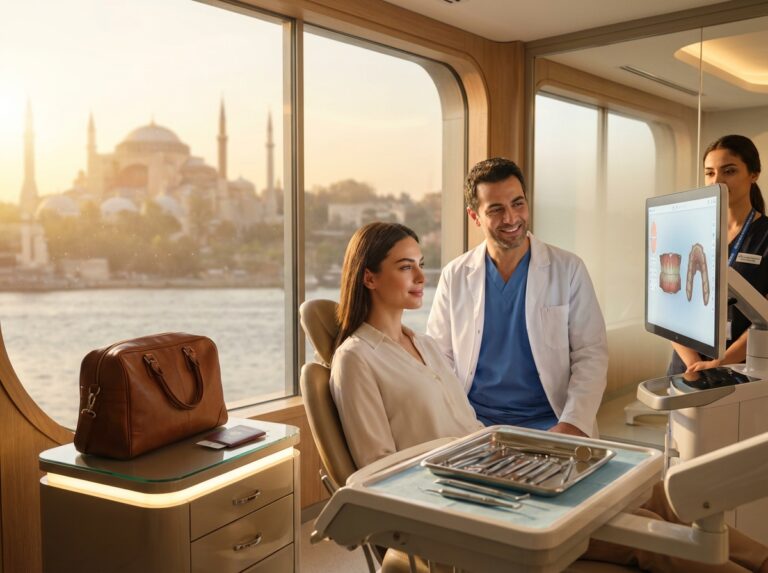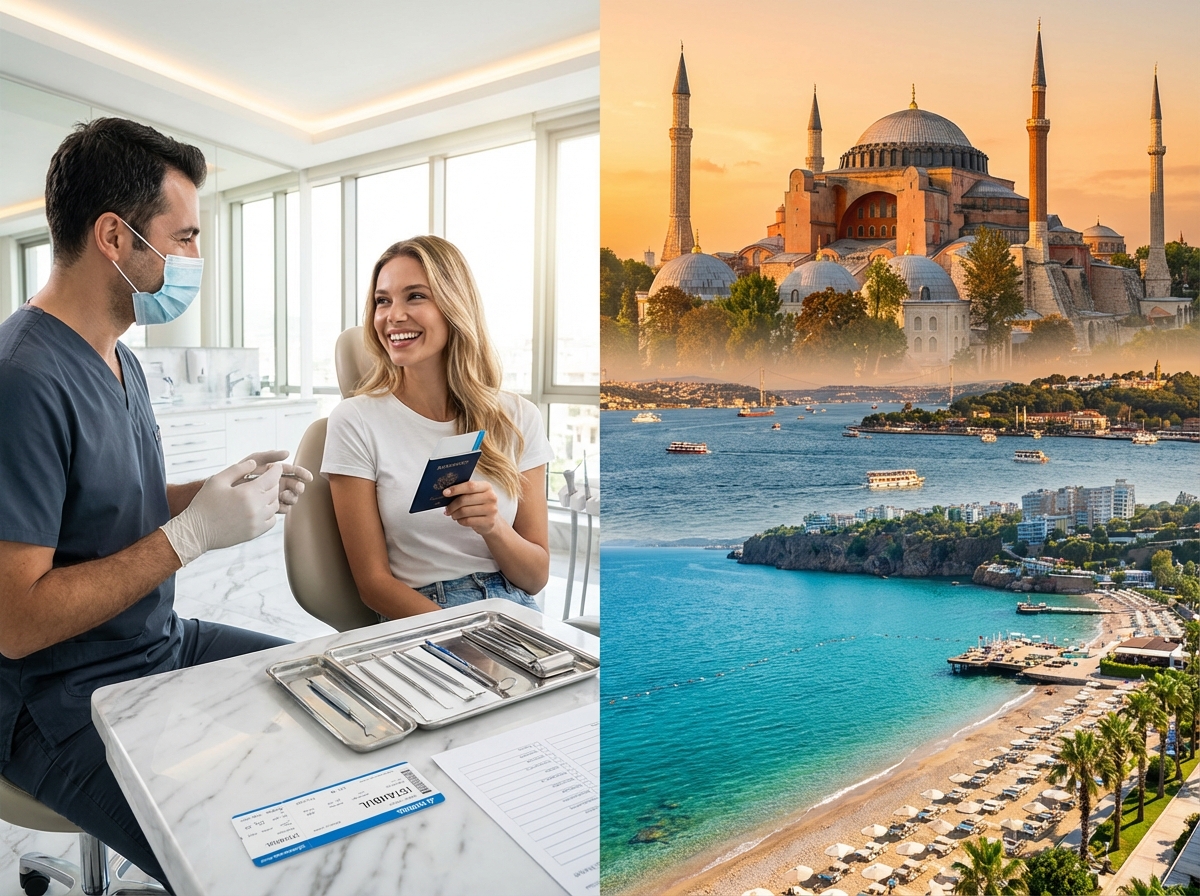
Looking for affordable, high-quality dental treatment abroad? This guide compares Istanbul and Antalya as destinations for dental tourism in Turkey. You’ll find practical comparisons of clinic quality, typical prices, travel logistics, accreditation and safety, plus planning checklists from Dental Travel Compass to help U.S. patients choose the best city and plan a safe, cost-effective dental trip.
Why Turkey is a Leading Dental Tourism Destination
Turkey has firmly established itself as the primary global hub for dental care as we move through the final days of 2025. The shift from a regional secret to a worldwide leader happened over the last decade, driven by a combination of massive government investment and a growing reputation for high-quality results. Recent data shows that the country now ranks as the third most popular destination for dental tourism globally, putting it right alongside established European centers like Hungary. The economic impact is significant; dental tourism contributes roughly 600 million pounds annually to the Turkish economy. This growth is not slowing down. In 2024, about 780,000 Americans traveled abroad for dental work, and that number is expected to top 850,000 by the end of this year. Many of these patients choose Turkey because the infrastructure is designed specifically for international visitors.
Main Drivers of the Dental Boom
The primary reason people fly to Istanbul or Antalya is the cost. Patients often save between 70 percent and 85 percent compared to private care in the United States. These savings remain consistent even when you factor in flights and luxury hotels. But price is only part of the story. Turkish dentists are highly skilled; many have trained internationally and maintain memberships in global dental organizations. The clinics in major cities use the latest technology, including 3D intraoral scanners, CAD/CAM systems for same-day crowns, and digital smile design software. English is the standard language in these clinics. Most facilities employ dedicated patient coordinators who handle everything from the first consultation to the final airport transfer. This level of service makes the process feel more like a vacation than a medical procedure.
Common Procedures and Bundled Packages
Most international patients visit for major restorative or cosmetic work. Statistics show that 40 percent of visitors seek veneers, 30 percent come for dental implants, and the remaining 20 percent usually require crowns or bridges. Turkish clinics have mastered the art of the bundled package. These deals typically include the dental treatment, a stay in a four or five-star hotel, and all local transportation. About 90 percent of clinics provide free airport pickups, and around 70 percent include the hotel stay in the total price. This transparency helps patients plan their budgets without worrying about hidden costs. A typical stay for a full smile makeover or implants lasts between five and seven days. This short timeframe is possible because many clinics have their own in-house dental laboratories, eliminating the need to wait weeks for a third-party lab to send back a crown or a bridge.
Price Comparison 2024 to 2025
The following figures represent the approximate costs for common procedures. These are based on current 2025 market rates in Turkey compared to average private dental fees in the United States. You should always verify these prices with your chosen clinic as they can change based on the specific brands used. Many Turkish clinics use the same high-quality international brands found in the US, such as Straumann or Nobel Biocare.
| Procedure Type | Turkey Price Range (USD) | US Private Care Range (USD) | Estimated Savings |
|---|---|---|---|
| Single Dental Implant | $400 to $700 | $3,000 to $4,500 | 85% |
| Zirconium Crown | $130 to $260 | $1,100 to $1,500 | 80% |
| Porcelain Veneer | $110 to $350 | $600 to $2,500 | 75% |
| All-on-4 (Per Arch) | $5,000 to $8,000 | $20,000 to $30,000 | 70% |
| Teeth Whitening | $150 to $300 | $500 to $1,000 | 70% |
For more detailed insights on these figures, you can check Is Dental Work in Turkey Cheap in 2025?. The savings are often enough to cover the entire travel experience for two people.
Regulation and Patient Safety
Safety is a major concern for anyone traveling for surgery. The Turkish government regulates dental clinics strictly through the Ministry of Health. Every practicing dentist must be a member of the Turkish Dental Association (TDA), which sets the standards for ethics and clinical practice. Many top-tier clinics also seek international accreditation. You will often see certifications from the Joint Commission International (JCI) or ISO standards for sterilization. These badges of trust indicate that the clinic follows global protocols for patient safety. It is important to research the specific credentials of a clinic before booking. Look for clinics that offer long-term warranties; it is common to find lifetime guarantees on implant screws and five-year warranties on crowns. This shows the clinic stands behind its work. You can find more data on these trends in the Turkey Dental Statistics (2025) report.
The Tourism Appeal
The ability to combine healing with a holiday is a significant draw. Istanbul offers a deep historical experience with its ancient landmarks, while Antalya provides a relaxing coastal atmosphere with beautiful beaches. This dual appeal is why Turkey is often cited as the top destination for medical tourism in 2025. Patients can spend their recovery days exploring the city or sitting by the Mediterranean. Most dental procedures only require a few hours in the chair, leaving plenty of time for leisure. The clinics are usually located in central areas or near major resorts, making it easy to get around. The combination of high-tech care and world-class tourism has made Turkey the first choice for hundreds of thousands of patients this year.
Comparing Istanbul and Antalya: What Each City Offers
Choosing between Istanbul and Antalya for dental work depends on your specific treatment goals and your travel preferences. Istanbul is the financial and cultural heart of Turkey and functions as a massive hub for medical tourism. You will find a high density of large multispecialty dental centers here. These facilities often operate like private hospitals, employing teams of specialists including oral surgeons, prosthodontists, and endodontists who work in the same building. This setup is ideal for complex cases that require different types of expertise. Many of these centers have their own high-tech dental labs, allowing them to produce crowns and veneers in-house and reducing the waiting time for patients on a tight schedule.
Antalya offers a different experience. It is a coastal city known for its turquoise water and luxury resorts. The clinics here are often boutique or resort-affiliated, focusing heavily on the patient experience. You might find a clinic that feels more like a spa than a medical office. Antalya has become a global leader for dental implants and full mouth restorations. Many patients choose this city for All-on-4 or All-on-6 procedures, as they can recover in a relaxing environment by the sea. The pace of life is slower in Antalya compared to the busy streets of Istanbul.
Pricing and Economic Factors
Pricing differences between the two cities are usually small but noticeable. Istanbul has higher operating costs; rent in popular areas like Nisantasi or Besiktas is expensive, and staffing costs for top-tier specialists are higher. However, the sheer volume of patients allows these clinics to benefit from economies of scale, often negotiating better prices for materials due to their high turnover.
Antalya often provides the maximum possible savings. The competition among clinics in this tourist hotspot is intense, driving prices down. Lower rent and overhead costs allow clinics to offer very competitive packages. You might find that an implant package in Antalya is 5 percent to 10 percent cheaper than a similar package in Istanbul. According to Is Dental Work in Turkey Cheap in 2025?, the cost of living and local competition keep these prices accessible for international patients.
Procedures and Specializations
Istanbul is the primary destination for cosmetic smile makeovers. If you are looking for high-quality porcelain veneers or E-max crowns, Istanbul has some of the most experienced aesthetic dentists in the world. The city attracts patients who want the latest in digital smile design. Antalya is the preferred choice for surgical procedures, including dental implants and bone grafting. The clinics here are experts at managing patients who need significant restorative work. They often bundle treatment with hotel stays and airport transfers, making the process seamless for someone traveling from the United States.
Travel Logistics from the United States
Travel access is a major advantage for Istanbul. Turkish Airlines offers direct flights from several US hubs, including New York, Los Angeles, Chicago, and Miami. A direct flight from the East Coast takes about 10 hours, making Istanbul very accessible for a one-week dental trip. Antalya requires a bit more effort to reach. There are no direct flights from the US to Antalya; you will likely have a connection in Istanbul or a major European city, adding about 3 to 4 hours to your total travel time. Most patients find that the extra travel is worth it for the coastal recovery. The flight from Istanbul to Antalya is only about an hour, and many clinics arrange for a driver to meet you at the Antalya airport.
City Comparison Table
| Feature | Istanbul | Antalya |
|---|---|---|
| Clinic Type | Large multispecialty centers | Boutique and resort clinics |
| Common Procedures | Veneers and cosmetic design | Implants and All-on-4 packages |
| US Travel Access | Direct flights from major hubs | One stop connection required |
| Local Atmosphere | Vibrant and historic metropolis | Relaxing Mediterranean resort |
| Typical Savings | Up to 70 percent vs US | Up to 85 percent vs US |
Pros and Cons Summary
Istanbul Pros
Direct flights from the US. Access to the largest dental hospitals. Incredible history and culture. Year-round availability for all treatments.
Istanbul Cons
Heavy traffic can make travel to appointments slow. The city is very crowded. Higher prices in premium neighborhoods.
Antalya Pros
Lower prices for major implant work. Excellent resort-style recovery. Very close proximity between airport and clinics. High concentration of English-speaking staff.
Antalya Cons
No direct flights from the US. Summer heat can be uncomfortable for some. Slower pace might not suit everyone.
Turkey has solidified its position as a top destination for dental tourism. According to Why Turkey Is #1 for Medical Tourism in 2025, the combination of cost and quality is unmatched. Whether you choose the urban energy of Istanbul or the calm shores of Antalya, you can expect modern care that rivals what you find in the United States.
Planning Your Dental Trip: Step by Step
Getting your teeth fixed in Turkey requires more than just a plane ticket. It is a process that starts months before you leave your house. Most successful patients follow a strict timeline to avoid stress. Start your research at least eight weeks out. This gives you enough time to look at different cities and compare the large centers in Istanbul with the boutique clinics in Antalya. By the six-week mark, you should have your virtual consultations finished. Most clinics use WhatsApp to review your dental X-rays, providing a preliminary plan and a price estimate. Book your flights and your procedure four weeks before departure to ensure the clinic has a spot for you and to secure better prices on hotels.
A Detailed Vetting Checklist
You need to be thorough when you talk to clinics. Do not just look at the price tag. Use this checklist to verify every detail before you send a deposit.
Dentist Specialization
Ask who is doing the surgery. You want an oral surgeon for implants and a prosthodontist for veneers. A general dentist might not have the specific training you need for complex work. Verify that the dentists are registered with the Turkish Dental Association and check if they have specific certifications for oral surgery. You can find more details on The Best Cities and Clinics for Dental Implants in Türkiye in 2025 to help your search.
Clinic Accreditation and Technology
Look for JCI or ISO certifications, which prove the facility follows international safety standards. Ask for photos of the actual clinic and the on-site lab to verify they possess the technology they claim, such as 3D CBCT imaging and intraoral scanners.
Material Brands
Ensure the clinic uses internationally recognized implant brands like Straumann, Nobel Biocare, or Zimmer. This is vital if you ever need a repair or a new part back in the US; local dentists will only have tools for these major brands.
Full Treatment Plan
The plan must show every step, including the number of visits and the time between them. If you need implants, the plan must explain the healing phase. It is also wise to get a second opinion by sending your X-rays to at least two different clinics to compare their proposed treatment plans.
Cost Breakdown
Get a list of every expense. This includes the cost of materials, abutments, and crowns. Inquire about extra fees for X-rays or medications. Confirm if the price includes VAT (typically 10 percent for medical services) and transfers.
Warranty Terms
Most clinics offer a lifetime guarantee on the implant screw and a five-year warranty on crowns. Get these terms in writing. Ask what happens if a crown chips after you go home.
Remote Follow Up
The clinic should have a plan for when you return to the U.S. They should be willing to talk to your local dentist if questions arise.
Travel Logistics for U.S. Patients
U.S. citizens need an e-Visa to enter Turkey. You can apply online for approximately $50. The visa is valid for 90 days within a 180-day period, and approval often comes within 24 hours. Keep a printed copy with your passport.
If you choose Istanbul, you will fly into Istanbul Airport, a major global hub with direct flights from cities like New York or Chicago. If you go to Antalya, you will likely have a layover in Istanbul or Europe. The flight from the East Coast takes about 12 hours in total. Most clinics provide a VIP transfer from the airport; a driver will meet you and take you to your hotel.
Stay in a hotel close to the clinic. Many dental packages include a stay at a four or five-star hotel, which is convenient as you will not want to travel far after surgery. Make sure your travel insurance covers medical complications. Standard plans often exclude dental work, so look for specific dental tourism insurance that includes repatriation. This is a safety net in case you need to stay longer for recovery.
Money and Payments
The local currency is the Turkish Lira, but most clinics quote prices in USD or Euros. You can pay with a credit card at most offices, but be aware of foreign transaction fees from your bank. Some clinics offer a small discount for cash payments. Regarding financing, Turkish clinics generally do not offer the long-term payment plans found in the U.S. because they cannot perform credit checks on foreign citizens. Many patients utilize medical credit cards or personal loans secured in the U.S. prior to travel. Always confirm the final total, including applicable taxes, before you pay.
Sample Treatment Schedule
This table shows a typical trip for dental implants or a full set of veneers. It helps you plan your time off work.
| Day | Activity | Recovery and Notes |
|---|---|---|
| Day 1 | Arrival and Consultation | Meet the team. Final X-rays and scans. |
| Day 2 | Surgery or Prep | Implants placed or teeth prepped for veneers. |
| Day 3 | Rest Day | Swelling is normal. Stay at the hotel. |
| Day 4 | Lab Work Phase | The lab creates your custom crowns or veneers. |
| Day 5 | Trial Fitting | Check the fit and color. Adjustments made. |
| Day 6 | Final Placement | The permanent teeth are bonded or attached. |
| Day 7 | Final Check and Fly | Last checkup before heading to the airport. |
According to Turkey Dental Guide information, the cost of care remains significantly lower than in the U.S. even with travel expenses. Most patients save between 70 and 85 percent on major procedures. This makes the planning process worth the effort. You get high-quality care while seeing a new part of the world. Just make sure you have all your documents ready before you board the plane.
Treatment Quality and Patient Safety Essentials
Choosing a clinic in Istanbul or Antalya requires looking past the glossy photos of infinity pools and white teeth. Clinical quality in Turkey has reached a high standard in 2025. Many top-tier facilities now mirror the technology found in high-end Manhattan practices. You should prioritize clinics that utilize international implant brands. Straumann, Nobel Biocare, and Zimmer Biomet are the industry leaders. These brands provide global warranties. If a component fails five years from now, a dentist in the United States can easily find the compatible tools to fix it. Using generic or local Turkish brands might save money today, but it creates a massive headache for future maintenance. Always ask for the specific brand and model of the implant before you pay a deposit.
Digital Workflows and Materials
Modern dental care relies on precision. You should look for clinics that use a full digital workflow. This includes CBCT (Cone Beam Computed Tomography) for 3D bone imaging, which is essential for safe implant placement. Intraoral scanning has largely replaced the uncomfortable putty molds of the past. These scans feed into CAD/CAM systems, allowing the lab to mill crowns and veneers with extreme accuracy. Most reputable clinics in Istanbul and Antalya have in-house labs, speeding up the process and allowing the technician to meet you in person to match the shade of your natural teeth. Ensure the materials used for crowns are CE or FDA approved. High-quality zirconia or E-max porcelain are the standards for durability and aesthetics in 2025.
Infection Control and Safety Standards
Safety is not just about the final look of your smile; it is about what happens behind the scenes in the sterilization room. You have every right to ask about a clinic’s infection control protocols. Top Turkish clinics follow international ISO standards and should use Class B autoclaves for all instruments. Ask if they use disposable items wherever possible. Beyond hygiene, the clinic must handle your medical history with care. A professional dentist will ask about your heart health, any history of bone density medication, and allergies to anesthesia. They should provide a clear plan for sedation. Options usually include local anesthesia, IV sedation, or general anesthesia for complex full mouth reconstructions. If a clinic does not ask for your medical records or a list of current medications, that is a significant red flag.
Verifying Credentials and Accreditations
You must verify the credentials of your specific dentist. In Turkey, all dentists must be registered with the Turkish Dental Association (TDA). You can ask for their registration number to verify their status. Many specialists in Istanbul and Antalya have also pursued international memberships or fellowships in the United States or Europe. Look for clinics with JCI (Joint Commission International) accreditation or certification from the Turkish Ministry of Health for health tourism. These certifications mean the facility undergoes regular inspections. Malpractice insurance is mandatory for Turkish dentists, but you should ask about the specific coverage limits for international patients. It is also wise to complete a full physical and a basic blood panel with your primary care doctor before you travel to ensure you are healthy enough for surgery.
Complications and Healing Timelines
Dental surgery involves risks like infection or implant rejection. You need a realistic timeline for healing. A standard implant requires three to six months for osseointegration, the process where the bone fuses with the metal post. You will typically need two separate trips: the first for the surgery and the second for the permanent crown placement. Do not let a clinic pressure you into “immediate load” implants if your bone density is low. Flying too soon after surgery is also a risk. You should wait at least 48 to 72 hours after an extraction or implant placement before boarding a long flight, as pressure changes in the cabin can cause pain or bleeding. If you experience severe swelling or a high fever after returning home, contact the clinic immediately for remote triage. They should be able to coordinate with a local dentist in your home city if emergency care is required.
Warranties and Long Term Maintenance
A solid warranty is a sign of a confident clinic. Most reputable providers in Antalya and Istanbul offer lifetime warranties on the implant screws themselves. Crowns and veneers typically carry a five to ten-year warranty. You must read the fine print; these warranties often require you to visit a dentist for professional cleanings every six months and may be voided if you smoke or develop certain health conditions. Dental work in Antalya often includes detailed aftercare packages. You should arrange a local follow-up with a dentist in the United States before you even leave for Turkey. Having a local professional who is willing to maintain your “foreign” dental work is crucial for long-term success.
| Quality Indicator | Standard Expectation | Why It Matters |
|---|---|---|
| Implant Brands | Straumann, Nobel, Zimmer | Global parts availability |
| Imaging | 3D CBCT Scans | Prevents nerve damage |
| Materials | Zirconia, E-max (CE/FDA) | Durability and natural look |
| Accreditation | TDA, Ministry of Health | Legal and safety oversight |
| Warranty | Lifetime (Implant), 5y+ (Crowns) | Financial protection |
Handling Revisions and Costs
If a crown chips or an implant fails, you need to know who pays for the fix. Most Turkish clinics will cover the cost of the replacement parts and the labor. However, they rarely cover the cost of your return flight or hotel. This is why medical travel insurance is vital. Some specialized policies cover the costs of returning to the clinic for corrective surgery. Always get your warranty terms in writing and in English. Ensure the document includes the clinic’s official stamp and a signature. This paperwork is your only leverage if something goes wrong after you have left the country. Keep a digital copy of your X-rays and treatment plan on a secure cloud drive to share with a local dentist if you need an urgent second opinion back home.
Final Thoughts and Next Steps
Deciding between Istanbul and Antalya involves more than just looking at a price tag. Both cities have established themselves as global leaders in dental tourism by the end of 2025. Turkey now contributes roughly £600 million annually to its economy through dental services alone. This growth is driven by nearly 850,000 international patients who seek high-quality care at a fraction of the cost found in the United States or the United Kingdom. While the savings are consistent across the country, the actual experience of receiving treatment differs significantly between the bustling metropolis of Istanbul and the coastal retreat of Antalya.
Clinic Infrastructure and Specialization
Istanbul functions as the primary medical hub of the country. The clinics here are often massive, multispecialty centers that house everything from general dentistry to complex maxillofacial surgery under one roof. These facilities frequently invest in the latest CAD/CAM technology and 3D imaging systems before they reach smaller cities. If your case requires a deep pool of specialists or niche laboratory work, Istanbul is the logical choice. Antalya clinics tend to be more boutique or resort-affiliated. They focus heavily on the patient experience, offering a more personalized feel. Many of these clinics have over twenty years of experience and hold Turkey Dental Statistics (2025) that prove their high success rates with international patients. They are experts in managing the “smile makeover” workflow for people on a tight vacation schedule.
Pricing and Package Dynamics
You will find that Dental work in Antalya can sometimes be slightly more affordable due to the intense competition between clinics located in a smaller geographic area. Packages in Antalya almost always include luxury hotel stays and VIP transfers because the city is built for tourism. Istanbul prices are also competitive, but the cost of accommodation and transport can vary wildly depending on the district. A dental implant in Turkey typically ranges from $400 to $700, which is a massive drop from the $3,000 or $4,500 you might pay in the US. Veneers show similar patterns, costing between $110 and $350 per tooth. These prices generally include the same high-quality brands used in American offices, such as Straumann or Nobel Biocare.
Travel and Logistics
Istanbul is the easier destination for North Americans to reach. Turkish Airlines offers numerous direct flights from major US hubs into Istanbul Airport. Once you land, you are in a city that operates twenty-four hours a day. Antalya usually requires a short domestic connection. However, the clinics in Antalya are often located within twenty minutes of the airport. This makes the daily commute to your appointments much shorter than the potentially long drives through Istanbul traffic. If you are visiting in the winter, Istanbul offers a cool, vibrant atmosphere. Antalya remains pleasant but many of the seasonal resort amenities might be limited compared to the peak summer months.
Making Your Final Choice
The decision matrix is straightforward. You should choose Istanbul if you prioritize having access to a very wide pool of specialists. It is the right spot if you want to combine your dental work with world-class shopping and historical tours. You should choose Antalya if you want a resort-style recovery. It is the better option if you are looking for the absolute lowest package prices that combine high-end hotels with dental care. Both cities provide English-speaking staff and coordinators who handle your itinerary from start to finish. This level of service is part of Why Turkey Is #1 for Medical Tourism in 2025, as the country has perfected the art of the patient journey.
Use the resources available at Dental Travel Compass to compare different countries and download our clinic verification checklists. We provide safety tips and updated price guides to help you navigate the world of dental tourism. Always verify the most current details directly with your chosen clinic and official government sources before you travel. Your dental health is a long-term investment. Taking the time to vet your provider today ensures a successful result that lasts for decades.
References
- Turkey Dental Statistics (2025) – UK Smiles — Dental tourism contributes a hefty £600 million annually to Turkey's economy [21]. On average, each UK patient spends between £2,500 and £3,500 …
- The Best Cities and Clinics for Dental Implants in Türkiye in 2025 — Among these, Istanbul, Antalya, and Izmir stand out in 2025, each offering unique advantages that cater to both local and international patients …
- Dental Work in Antalya: Best Clinics, Dentists and Tourism Guide 2025 — Dental work in Antalya costs up to 85% less than in the US or UK, all while using the same high-quality brand implants.
- Is Dental Work in Turkey Cheap in 2025? — in 2025 Dental Work in Turkey is cheap, but here is a detailed breakdown of why and how to find a good price estimate for your Dental Work.
- Why Turkey Is #1 for Medical Tourism in 2025: Cost & Quality — Discover why Turkey ranks #1 in global medical tourism in 2025. Explore costs, healthcare quality, certifications, and why patients choose Turkey.
- Top 10 Dental Clinics in Turkey (2025 Edition) | The Jerusalem Post — Turkey has become one of the world's top destinations for dental tourism, offering international patients access to advanced treatments, …
- 10 Countries With the Cheapest Cosmetic Dental Procedures in 2025 — It's no surprise, then, that more than 780,000 Americans traveled abroad for dental care in 2024, a number expected to top 850,000 in 2025 based …
Legal Disclaimers & Brand Notices
The content provided in this article is for informational purposes only and does not constitute professional medical advice, diagnosis, or treatment. Always seek the advice of your dentist, physician, or other qualified health provider with any questions you may have regarding a medical condition or procedure. Never disregard professional medical advice or delay in seeking it because of something you have read in this article.
All product names, logos, brands, and registered trademarks mentioned in this text—including but not limited to Straumann, Nobel Biocare, Zimmer Biomet, and E-max—are the property of their respective owners. All company, product, and service names used in this article are for identification purposes only. Use of these names, trademarks, and brands does not imply endorsement.