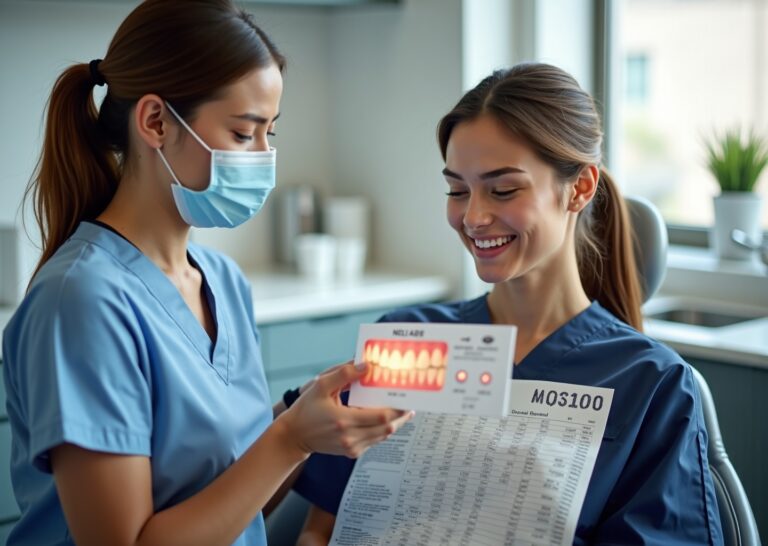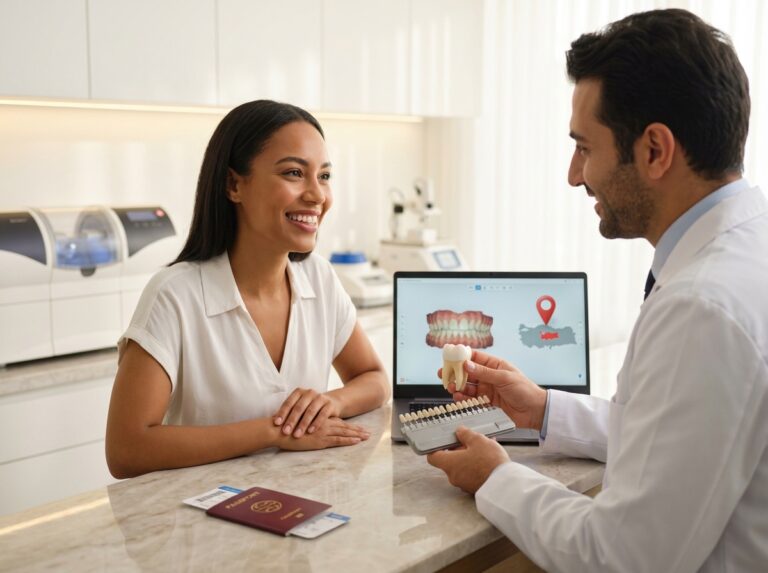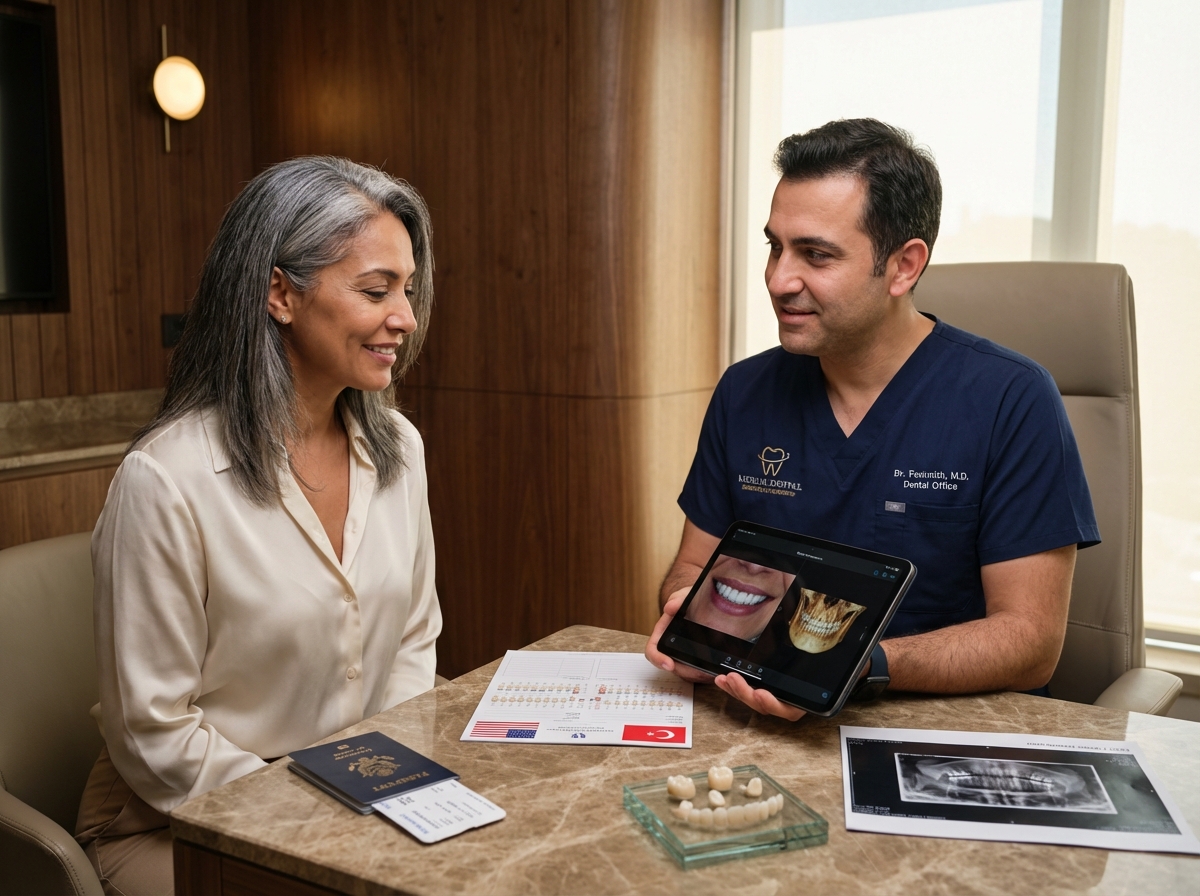
As dental tourism grows, Turkey has become synonymous with low-cost cosmetic crowns and veneers — and with a worrying ‘turkey teeth’ conversation about overly aggressive crown preparation. This article explains what aggressive preps are, the clinical and travel risks, how to compare countries and clinics, and practical checklists to plan safe, affordable treatment abroad.
What the Turkey teeth trend really means and how aggressive crown preparation works
The “Turkey Teeth” phenomenon has evolved from a social media curiosity into a massive global industry. By the end of 2025, the scale of this movement is undeniable. Thousands of people travel to hubs like Istanbul or Antalya every month, searching for the perfect, bright white smile that has become a status symbol on platforms like TikTok. While the visual results are often striking, the clinical reality behind these smiles is frequently misunderstood. Most people believe they are getting veneers. In many cases, they are actually receiving aggressive full crown preparations. This distinction is the difference between preserving your natural teeth and losing them prematurely.
Aggressive crown preparation involves the significant removal of healthy tooth structure to make room for a ceramic cap. In a standard setting, a dentist attempts to preserve as much of the tooth as possible. However, the “Turkey Teeth” aesthetic often requires a more radical approach. Clinicians file the natural teeth down into small, peg-like shapes to ensure the new crowns sit perfectly straight and have a uniform color. It is a shortcut to a symmetrical smile, but the process is irreversible. Once the enamel is ground away, the tooth loses its natural protection forever.
The amount of tooth structure removed during these procedures is often shocking to those outside the dental field. For a conservative porcelain veneer, a dentist might only remove 0.3 to 0.5 millimeters of enamel—roughly the thickness of a contact lens. The goal is to stay within the enamel layer because it provides the strongest bond for the ceramic. In contrast, an aggressive crown preparation can remove 1.5 to 2.0 millimeters of tooth structure from every surface. This often strips away all the enamel and exposes the dentin.
| Restoration Type | Typical Reduction (mm) | Primary Layer Affected |
|---|---|---|
| No-Prep Veneer | 0.0 – 0.2 | Enamel (Surface only) |
| Porcelain Veneer | 0.3 – 0.7 | Enamel |
| E.max Crown | 1.0 – 1.5 | Dentin |
| Monolithic Zirconia | 0.8 – 1.2 | Dentin |
| Aggressive “Turkey” Prep | 1.5 – 2.5 | Deep Dentin |
When a dentist cuts deep into the dentin, they get closer to the pulp, the living center of the tooth containing nerves and blood vessels. Overpreparation creates heat and vibration that can inflame this tissue. If the reduction is too deep, the pulp may die, leading to the need for a root canal or the eventual loss of the tooth. Many patients returning from abroad find that their teeth are extremely sensitive to cold or heat, a sign that the remaining tooth structure is too thin to protect the nerve.
The pressure to achieve a specific aesthetic often pushes clinicians toward these extreme methods. Digital smile design software allows patients to see a “perfect” version of their smile before work begins. To make the physical teeth match this digital ideal, the dentist must often cut away any natural tooth that sits outside the new “perfect” boundary. If a tooth is slightly rotated or crowded, it is faster to grind it down than to move it with braces. This is why many clinics favor crowns over veneers; crowns allow the dentist to completely ignore the original position of the tooth.
The incentives in high-volume dental tourism also play a role. According to Turkey Dental Statistics (2025), the economic contribution of this sector is massive. Clinics need to work fast to remain profitable. It is much quicker to prepare twenty teeth for crowns than to perform the delicate, time-consuming work required for veneers. A full set of crowns can be prepped in a single afternoon. Because many clinics have on-site labs, they can produce the final restorations in just a few days. This speed is a major selling point for travelers who only have a week of vacation.
You can often spot the signs of aggressive preparation through simple observation or X-rays. If you see photos of “prep day” where the teeth look like tiny spikes or “shark teeth,” that is aggressive preparation. On a radiograph, an overprepared tooth will show very thin walls of remaining structure. There might be very little distance between the edge of the crown and the pulp chamber. Visually, a dark line at the gum margin after the crowns are fitted can suggest the preparation went too deep into the biological width of the gum.
The market for Affordable Dental Treatment in Turkey 2025 continues to grow. But the shift toward mass-market “smile makeovers” has created a divide in quality. Some clinics prioritize long-term health and use minimally invasive techniques. Others focus on the “Hollywood” look at any cost. Patients must understand that a crown is a major surgery for a tooth. It should be a last resort for a damaged tooth, not a first choice for a healthy one. Choosing a clinic that emphasizes “no-prep” or “minimal-prep” options is the best way to avoid the risks of the Turkey Teeth trend.
Clinical risks long term and how to spot substandard work early
The immediate aftermath of aggressive tooth reduction often brings a sharp reality check. When a dentist removes 60 percent or more of the natural enamel to fit a crown, the underlying pulp becomes vulnerable. This living tissue inside the tooth reacts to the heat and vibration of the dental drill. Many patients experience intense postoperative sensitivity that does not fade after a few days. If the reduction was too deep, the pulp may become irreversibly inflamed. This condition, known as pulpitis, often requires immediate root canal therapy to stop the pain. In some cases, the temporary crowns provided during the trip fail because the remaining tooth structure is too small to provide a mechanical grip. These tiny pegs of bone cannot support the plastic shells, leading to exposure of the sensitive dentin before the final prosthetics are even ready.
Medium and long term structural failures
The true cost of the Turkey Teeth trend often appears two or three years later. Removing the protective enamel layer significantly increases the risk of tooth fracture. Without the natural strength of the outer shell, the remaining tooth structure can snap under normal biting forces. Recurrent decay is another major concern. If the crown margins do not fit perfectly against the gum line, bacteria seep underneath. This leads to rot that stays hidden until the crown falls off or the tooth becomes infected. Periodontal complications are also frequent. Overcontoured crowns, which are made too thick to look “perfect” in photos, trap plaque against the gums. This causes chronic inflammation, bleeding, and eventually bone loss. Many patients notice dark margins appearing at the gum line. This is often a sign of metal-based sub-structures or poor ceramic adaptation that allows the underlying darkened tooth to show through. If multiple teeth fail, the only solution is a full mouth rehabilitation. This involves removing the failed crowns and often the teeth themselves, leading to a need for expensive implants and bone grafts.
Diagnostic steps for returning patients
Anyone returning from a high volume dental trip should schedule a comprehensive exam with a local provider. This assessment must include specific imaging to check the health of the roots and the fit of the restorations. Periapical X-rays are necessary to look for signs of infection at the root tips. Bitewing X-rays help identify gaps or “overhangs” at the margins where the crown meets the tooth. In complex cases where implants were placed or multiple crowns feel unstable, a CBCT scan provides a three dimensional view of the bone and tooth alignment. The clinical exam should involve a vitality test, such as a cold test, to ensure the nerves inside the teeth are still alive. The dentist will also check the occlusion. An uneven bite can cause the new ceramics to crack or lead to jaw joint pain. Testing bite force and checking for “high spots” is essential to prevent long term damage to the temporomandibular joint.
Assessing materials and laboratory quality
The choice of ceramic material dictates how much of the natural tooth must be sacrificed. High quality materials like e.max lithium disilicate are prized for their aesthetics and can often be used with a reduction of only 1.0 to 1.5 millimeters. Multilayer zirconia is another popular choice because it is incredibly strong and requires even less space, sometimes as little as 0.5 to 0.8 millimeters. However, many mass market clinics perform aggressive “360 degree” preparations regardless of the material. They do this to make the laboratory work easier and faster. If a clinic uses cheap, opaque zirconia, they may grind the tooth further to hide the natural color. Patients should ask for the specific brand and type of ceramic used. High quality labs provide a certificate of authenticity for materials like Ivoclar or Argen. Understanding these differences is vital because 86 percent of UK dentists have reported treating complications from treatments performed abroad, according to data from The UK Cat People.
| Restoration Type | Ideal Reduction | Aggressive Reduction | Risk Level |
|---|---|---|---|
| Porcelain Veneer | 0.3mm – 0.7mm | 1.5mm+ | High (Pulp exposure) |
| e.max Crown | 1.0mm – 1.5mm | 2.0mm+ | Moderate (Fracture) |
| Zirconia Crown | 0.5mm – 1.0mm | 1.5mm+ | Moderate (Sensitivity) |
Salvage options and revision protocols
When a patient presents with substandard work, the first goal is conservative revision. If the margins are slightly off but the tooth is healthy, a local specialist may be able to replace the crown with a more precise restoration. However, if the tooth was overprepared into a “needle” shape, there may not be enough height or width to support a new crown. In these cases, the tooth is no longer viable. Extraction becomes the only realistic option. This is followed by dental implants or bridges to restore function. This transition from a cosmetic “fix” to a surgical necessity is a heavy emotional and financial burden. Statistics show that dental tourism is a massive industry, with Turkey dental statistics indicating that thousands of patients seek these procedures annually, yet the long term failure rates of aggressive work are often downplayed in marketing materials.
Practical red flags for immediate follow up
Certain symptoms require an immediate visit to a local dentist to prevent permanent tooth loss. If you experience a “throbbing” sensation that keeps you awake at night, the nerve is likely dying. Gums that remain bright red, swollen, or bleed during brushing weeks after the procedure indicate a “biological width” violation, meaning the crown is pushed too deep under the gum. A foul taste or odor coming from a specific tooth often suggests micro-leakage and active decay. Finally, if you cannot floss between your new teeth because they are “splinted” or joined together with cement, this is a major red flag. Teeth must be individual units to allow for proper cleaning and natural movement. Ignoring these signs can turn a simple cosmetic correction into a lifelong dental struggle.
Planning dental care abroad: countries to compare, clinic checklist, and safety tips
Planning a dental trip requires more than just booking a flight and picking a clinic from a social media feed. You are looking at a medical procedure that affects your health for decades. It is important to compare destinations based on your specific needs. Turkey is currently a leader in the global market. It offers high tech labs and significant savings. Most patients save around 70 percent compared to US prices. The main strength in Turkey is the speed of service. Many clinics have in house labs that finish crowns in a few days. The downside is the distance from the US and the risk of over-aggressive tooth preparation.
Mexico is the most practical choice for many Americans. You can often drive across the border or take a short flight. This makes follow up visits much easier. The quality varies significantly so you must vet the specific dentist. Hungary is the traditional hub for European dental tourism. It is known for very high clinical standards and conservative treatments. It is more expensive than Turkey but often more focused on preserving natural teeth. Costa Rica has many US trained specialists. It is a great middle ground for quality and cost. Thailand offers world class hospital settings. The travel time from the East Coast is the biggest hurdle there.
Estimated Cost Comparison for 2025
Prices vary based on the materials used and the complexity of the case. These figures represent typical ranges for high quality work.
| Procedure | Turkey Cost (USD) | US Cost (USD) |
|---|---|---|
| Single Porcelain Crown | $210 – $450 | $1,200 – $2,500 |
| E-max Veneer | $280 – $500 | $1,500 – $3,500 |
| Full Mouth Restoration | $6,000 – $15,000 | $30,000 – $70,000 |
| Dental Implant (Single) | $500 – $900 | $3,000 – $5,000 |
For context on specific clinic pricing in Turkey, the following table illustrates 2025 rates from popular providers (quoted in Euros, as is standard in the region):
| Clinic Name | Crown Price | Veneer Price | Implant Price |
|---|---|---|---|
| WestDent | €210 | €290 | €500 |
| EsteDent | €200 | €275 | €480 |
| Dr. Terziler | €220 | €300 | €500 |
| Dentatur | €200 | €280 | €480 |
Vetting Your Clinic and Dentist
Do not rely on celebrity endorsements. Look for JCI or ISO 9001 certifications. These indicate the facility meets international safety and management standards. Verify the specific dentist’s licensure through the Turkish Dental Association or the relevant national board. Ask for before and after photos of full cases. You want to see the original teeth before they were ground down. Ask the dentist about their protocol for conservative preparation. A good dentist will explain how they plan to save as much of your natural enamel as possible. Check if they use digital scanners like iTero or 3Shape. These tools often lead to better fitting restorations than traditional molds.
Essential Pre-booking Tasks
Before you buy a plane ticket, you need a clear plan. Request a preliminary consultation using your current records. You should provide recent bitewing X-rays and a CBCT scan if you need implants. Ask for an itemized quote. This document must list the exact brands of materials. If they say they use zirconia, ask if it is Katana or Ivoclar. Get the treatment timeline in writing. You need to know exactly how many days you will be in the chair. Request a copy of the clinical consent forms in English. Read them at home without the pressure of being in a foreign office. Ask about their revision policy. A reputable clinic should offer a warranty that covers the cost of replacement if a restoration fails within a few years.
Travel Logistics and Safety
Your stay will likely last between five and ten days. Most Turkish clinics provide airport transfers and hotel stays. You still need a contingency fund for unexpected costs. Purchase medical tourism insurance. Standard travel insurance usually does not cover complications from elective surgery. Ensure your passport is valid for at least six months beyond your travel dates. Check the current visa requirements for US citizens. Many countries now use electronic visas that take a few days to process. Keep a list of local emergency contacts and the address of the nearest US embassy.
Clinical Safety and Infection Control
When you arrive at the clinic, observe the environment. Ask how they sterilize their instruments. Look for a dedicated sterilization room. Ask about their anesthesia protocols. If you are opting for sedation, a trained anesthesiologist should be present. Do not fly immediately after major surgery or extensive extractions. This increases the risk of blood clots or dry sockets. Verify the medication policy. You should receive a clear list of any antibiotics or painkillers prescribed. Make sure you understand the dosage and potential side effects before you leave the pharmacy.
Coordination with Your US Dentist
Maintaining a relationship with your local dentist is vital. Tell them about your plans. They might not agree with the decision, but they need to know for your future cleanings. Ask the foreign clinic for your digital files. These are often STL files from the 3D scans. Your local dentist can use these if a crown chips later. Request that the clinic uses temporary restorations that allow you to eat and speak normally during the transition. Plan a follow up visit with your US dentist about a month after you return. They can check the margins and your bite to ensure everything is settling correctly. Be aware that allowing a local dentist to remove or significantly alter the work may void the warranty provided by the Turkish clinic, so only authorize emergency interventions if you plan to claim repairs later.
Understanding Your Rights
You have the right to stop treatment at any time. If the dentist suggests grinding down healthy teeth for a Hollywood Smile and you feel uncomfortable, speak up. Realistic expectations are necessary. No dental work lasts forever. You will eventually need to replace these crowns or veneers. The affordable dental treatments in Turkey make the initial cost easier to handle, but you must budget for long term maintenance. High quality materials like multilayered zirconia or lithium disilicate require specific care. Always ask for a certificate of authenticity for the materials used in your mouth.
Final recommendations and what smart patients do next
Smart patients do not just look at the price tag when they plan dental work abroad. They focus on the long term health of their teeth. The goal is to get a beautiful smile without losing the natural structure that keeps your teeth strong for decades. If you are considering a trip to Turkey for dental work, you need a strategy that prioritizes safety over speed.
The Smart Patient Checklist
Get a local second opinion
Visit a dentist in the US before you book any flights. Ask for a full exam and a written treatment plan. This gives you a baseline to compare with what foreign clinics suggest. It prevents you from being talked into twenty crowns when you only need four veneers.
Request a specific prep depth plan
Ask the clinic exactly how many millimeters of enamel they intend to remove. For veneers, this should be less than one millimeter. If they mention two millimeters or more, they are doing aggressive crown preparations. Get this number in writing before you arrive at the clinic.
Insist on a physical mock up
Do not agree to permanent changes based only on digital images. Ask for a temporary mock up that you can wear in your mouth. This allows you to see the shape and feel the bite before any drilling starts. It is the only way to ensure you like the results.
Schedule a US follow up in advance
Find a local dentist who is willing to see you when you return. Many dentists refuse to touch work done abroad. Securing a professional for maintenance or minor adjustments is vital for your long term success.
Verify 2025 Ministry of Health authorization
The Turkish government introduced strict rules for international health tourism in 2025. Every clinic must have an official authorization certificate. Ask for a copy of this document to ensure the facility meets current safety standards.
Check for JCI or ISO accreditation
Look for clinics that hold Joint Commission International accreditation. This is the gold standard for healthcare quality. It proves the clinic follows global protocols for sterilization and patient safety.
Demand raw X rays and scans
Ask the clinic to provide copies of your original X rays and 3D scans. You should also get photos of your teeth after they are prepared but before the crowns are glued on. These records are essential if a US dentist needs to fix a problem later.
Request material certificates
Every crown or veneer comes with a manufacturer certificate. This document proves the brand and quality of the porcelain or zirconia used. It ensures you are getting genuine materials like E-max or high quality zirconia rather than cheap imitations.
Negotiating for Clinical Safety
Negotiation in dental tourism is not just about the cost. It is about the clinical approach. You should ask for conservative options. Tell the dentist you want to preserve as much natural enamel as possible. Use the term minimally invasive dentistry. If a clinic pushes for a Hollywood Smile package that involves filing down healthy teeth, be ready to walk away. Smart patients prioritize their biological tooth structure over a package deal.
Ask about the warranty terms. A good warranty should cover the cost of replacement parts. It should also be clear about who pays for the travel if you need to return for repairs. However, do not let a warranty give you a false sense of security. A warranty cannot grow back the tooth structure lost to aggressive drilling. Documented consent is your best tool. Ensure the consent form specifically lists the materials used and the number of teeth being treated. This transparency is becoming more common. Clinics with clear pricing and documented plans see 30% higher bookings from international patients because they build trust.
When to Choose a Domestic Solution
There are times when the higher cost of US dentistry is the better investment. Medical complexity is a major factor. If you have uncontrolled diabetes or heart issues, staying close to your primary doctors is safer. High aesthetic demands also require more time. If you want a perfect match for a single front tooth, you might need several trial fittings. This is difficult to achieve in a five to seven day trip.
Long term predictability is another reason to stay home. If you have a history of gum disease or a heavy bite that breaks restorations, you need frequent monitoring. The 86% complication rate reported by some dentists for patients returning from abroad is a serious warning. If your case is complex, the cost of fixing a failed foreign treatment can far exceed the original US price.
Resources for Your Journey
Before you commit, use available data to vet your options. You can look at Turkey Dental Statistics (2025) to understand the scale of the industry. For a better idea of current pricing, check Affordable Dental Treatment in Turkey 2025. These resources help you spot prices that are too good to be true.
If you feel pressured to decide quickly, take a step back. Your oral health is a lifelong asset. Make choices that protect your teeth for the next thirty years. Do not sacrifice your enamel for a temporary discount. A smart patient knows that the most expensive dentistry is the kind you have to do twice.
Sources
- Turkey Dental Statistics (2025) – UK Smiles — Dental tourism contributes a hefty £600 million annually to Turkey's economy [21]. On average, each UK patient spends between £2,500 and £3,500 …
- Top 10 dental clinics in Turkey in 2025 | Financial Post — Turkey's dental tourism sector is driven by cost-to-quality ratios, digital innovation, and patient satisfaction metrics.
- Dental Tourism Turkey 2025: Save 70% On Treatment — The global dental tourism market reached $10.36 billion in 2025 and is projected to grow to $41.49 billion by 2035 (Roots Analysis, 2025). This …
- Turkey Dental Tourism Market Size & Outlook, 2025-2033 — A compound annual growth rate of 12.5% is expected of Turkey dental tourism market from 2025 to 2033. Overview · Dashboard · Statistics · Reports · Scope …
- Affordable Dental Treatment in Turkey 2025 | TurSmile — Its dental tourism market continues to grow, driven by competitive pricing and enhanced patient protections introduced with the 2025 Ministry of …
- Dental Devices – Turkey | Statista Market Forecast — Revenue in the Dental Devices market market in Turkey is anticipated to attain US$70.93m in 2025. · The revenue is forecasted to exhibit an annual growth rate ( …
- Dental Tourism & NHS Crisis: Turkey Teeth Trends & Interview … — In this interview guide, we will discuss dental tourism and why patients go abroad for dental treatment. We will explore its risks and …
Legal Disclaimers & Brand Notices
The content provided in this article is for informational purposes only and does not constitute professional medical or dental advice, diagnosis, or treatment. Always seek the advice of your physician, dentist, or other qualified health provider with any questions you may have regarding a medical condition or procedure. Never disregard professional medical advice or delay in seeking it because of something you have read in this article.
All product names, logos, and brands mentioned in this text are the property of their respective owners. All company, product, and service names used are for identification purposes only. Use of these names, logos, and brands does not imply endorsement or affiliation.