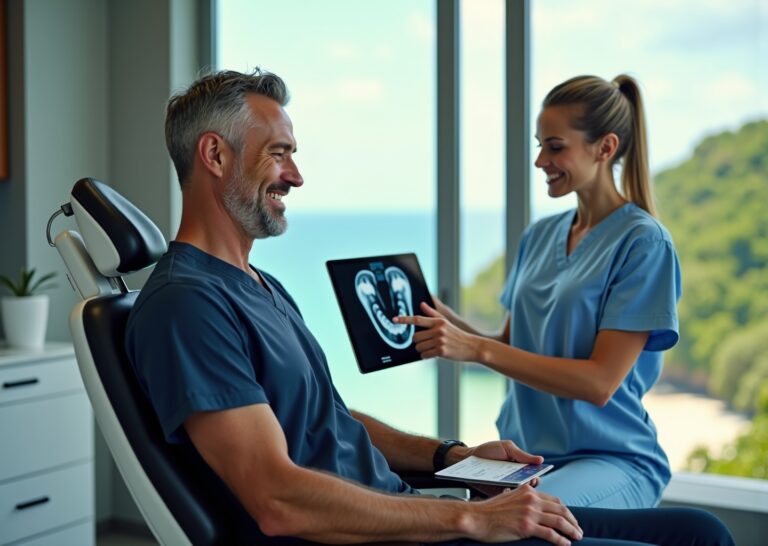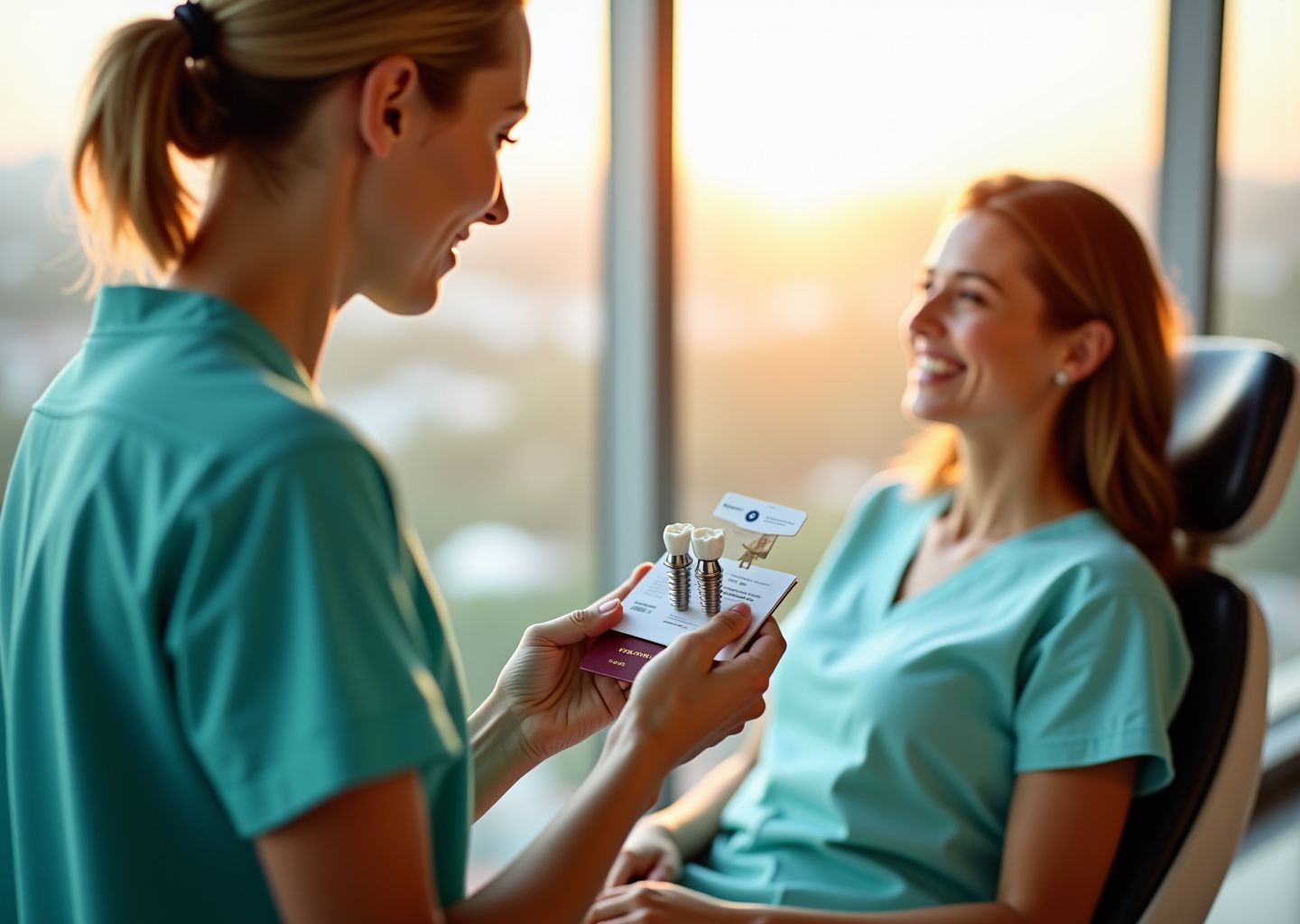
Costa Rica is a top choice for dental tourists seeking high-quality, affordable implants. This guide explores why San Jose stands out, how to research clinics, typical costs, travel logistics, and safety measures. Use these actionable steps and checklists to plan implant treatment abroad with confidence and minimize surprises.
Why Costa Rica and San Jose for Dental Implants
When you start researching dental implants abroad, Costa Rica inevitably appears at the top of the list. For years, this Central American country has cultivated a reputation as a premier destination for medical and dental tourism, attracting tens of thousands of Americans annually. But what makes it so compelling, and why is the capital, San José, the undisputed epicenter of this movement? The answer lies in a powerful combination of accessibility, affordability, and uncompromising quality.
The most immediate advantage for U.S. patients is simple geography. A flight from Miami (MIA) to Juan Santamaría International Airport (SJO) near San José takes just over three hours. Even from hubs like Houston (IAH) or Los Angeles (LAX), you are looking at direct flights of around four and six hours, respectively. This proximity dramatically reduces travel fatigue and complexity compared to destinations in Europe or Asia, making it feasible to plan treatment without dedicating weeks to travel alone. This convenience is a significant factor, especially when multiple visits are required for complex implant cases.
Of course, the primary driver for most is the staggering cost savings. A single dental implant, including the abutment and crown, can cost between $4,000 and $8,000 in the United States. In San José, the total cost for the same procedure often falls between $1,600 and $2,700. For full-arch restorations like an All-on-4, the difference is even more profound. While a single arch can run from $25,000 to over $50,000 in the U.S., top clinics in Costa Rica typically quote between $10,000 and $26,000. These are not just minor discounts; they represent savings of 50-70%, allowing patients to afford comprehensive treatment that might be entirely out of reach back home. These savings often cover the entire cost of travel and accommodation, with plenty left over.
Such significant price differences naturally raise questions about quality. This is where Costa Rica’s strong healthcare framework provides reassurance. The country is known for having one of the best healthcare systems in Latin America, a reputation that extends to its private dental sector. All practicing dentists must be licensed and regulated by the Colegio de Cirujanos Dentistas de Costa Rica (CCDCR), a professional board that upholds stringent standards for education and practice. This oversight ensures that dentists are properly qualified and accountable.
The clinics catering to international patients are concentrated in the modern, affluent suburbs of San José, particularly in areas like Escazú and Santa Ana. These are not small, outdated offices. They are state-of-the-art facilities equipped with the same advanced technology found in the best U.S. clinics. This includes 3D Cone Beam CT (CBCT) scanners for precise implant planning, CAD/CAM technology for in-house milling of crowns, and digital workflows that improve accuracy and speed. Furthermore, they use globally recognized implant systems from brands like Nobel Biocare, Straumann, and Zimmer Biomet, ensuring that the components placed in your mouth are of the highest quality and backed by extensive research.
The patient experience is another area where San José excels. Recognizing their international clientele, leading clinics have built their services around the needs of traveling patients. Dental teams are almost always bilingual, with fluent English-speaking dentists, specialists, and patient coordinators who guide you through every step. From the initial virtual consultation to scheduling appointments, arranging airport transfers, and recommending nearby accommodations, the process is designed to be seamless and stress-free. This level of service removes the logistical hurdles and communication barriers that can make seeking care abroad feel intimidating.
Finally, there is the unique appeal of combining world-class dental care with a recovery period in a beautiful, tranquil setting. Instead of recuperating at home amidst daily stresses, you can relax in a tropical environment. A typical implant timeline might require you to stay in the country for seven to ten days for initial healing and adjustments. This period can be spent enjoying the pleasant climate, exploring local culture, or simply resting in comfort. Many patients schedule their treatment during Costa Rica’s “green season” (May through November) to take advantage of lower travel and lodging costs, turning a medical necessity into a restorative journey. This blend of treatment and tourism is not just a bonus; it’s an integral part of what makes the Costa Rican dental experience so positive and popular.
How to Identify San Jose’s Best Clinics for Implants
Navigating the landscape of dental clinics in San José can feel overwhelming, but with a systematic approach, you can confidently identify the top-tier providers for your implant treatment. It’s about knowing what to look for and where to verify the information you’re given. Think of it as a detailed investigation where you are the lead detective. Your goal is to find a clinic that combines expertise, technology, and transparent communication.
Your vetting process should be methodical. Start broad and then drill down into the specifics for a few shortlisted clinics. Here is a step-by-step guide and checklist to help you separate the best from the rest.
Step 1: Initial Research and Verifying Credentials
Before you even look at pricing, focus on the qualifications of the dental team and the clinic’s official standing. This is the foundation of safe and effective treatment.
- Dentist Credentials and Specialties.
Look for dentists who are specialists, not just general practitioners. For implant procedures, the key specialties are Prosthodontics (restoring teeth), Oral and Maxillofacial Surgery (surgical procedures), and Periodontics (gum and bone health). Many top dentists also have postgraduate training specifically in Implantology. Don’t just take their word for it. Ask for their license number and verify it with the Costa Rican dental board, the Colegio de Cirujanos Dentistas de Costa Rica (CCDCR). A reputable clinic will provide this information without hesitation. - Years of Implant Experience.
Ask direct questions. How many years has the dentist been placing implants? How many implants do they place annually? An experienced implantologist often places hundreds of implants per year. While a high number isn’t the only metric, it demonstrates significant practical experience. - Clinic Accreditations.
Check if the clinic holds any international accreditations, such as those from the American Association for Accreditation of Ambulatory Surgery Facilities (AAAASF) or ISO certifications. Some clinics also partner with major JCI-accredited hospitals like Clínica Bíblica for complex cases requiring general anesthesia, which is a strong indicator of their commitment to high standards.
Step 2: Assessing Technology and Materials
The tools and materials a clinic uses directly impact the precision, longevity, and success of your dental implants. A modern clinic invests in proven technology.
- Advanced Diagnostics.
A Cone Beam Computed Tomography (CBCT) scanner is non-negotiable for implant planning. This machine provides a detailed 3D image of your jawbone, nerves, and sinuses, allowing for precise and safe implant placement. If a clinic only uses standard 2D panoramic X-rays for planning, consider it a major red flag. - Digital Workflow.
Look for clinics that use a fully digital workflow. This includes intraoral scanners (which replace messy physical impressions) and in-house CAD/CAM technology for designing and milling crowns or bridges. A digital process improves accuracy, reduces turnaround times, and often results in a better-fitting final restoration. - Implant Systems Used.
Ask specifically which implant brands the clinic uses. Top-tier clinics work with globally recognized, well-researched systems like Straumann, Nobel Biocare, Zimmer Biomet, or Astra Tech. These brands have decades of clinical data backing their performance and are easier for your home dentist to service in the future. Be wary of clinics that use obscure or “generic” implant systems without providing data on their success rates. - Laboratory Partnerships.
Find out where their crowns, bridges, and prostheses are made. Many leading San José clinics have their own in-house labs with master ceramists, giving them full control over quality. Others partner with high-quality labs in Costa Rica or even the United States. A clinic should be transparent about its lab partners.
Step 3: Evaluating Transparency and Communication
How a clinic communicates with you before you commit is a strong predictor of your experience once you arrive.
- Patient Reviews and Case Galleries.
Go beyond the testimonials featured on the clinic’s website. Look for recent reviews on independent platforms like Google, Facebook, and dedicated dental tourism sites like Dental Departures. Look for detailed reviews that discuss the entire process. Similarly, examine their before-and-after galleries. Are the photos high quality? Do they show cases similar to yours? - Responsive and Clear Communication.
When you first reach out, how long does it take to get a response? Is the patient coordinator fluent in English and able to answer your questions clearly? A professional clinic will respond within 24-48 hours and provide helpful, detailed information. Many offer free virtual consultations via video call to discuss your case before you travel. - Detailed Treatment Plans and Itemized Quotes.
Never accept a vague price quote. A trustworthy clinic will provide a comprehensive treatment plan that details each step of the procedure. The accompanying quote should be fully itemized, breaking down the cost of the CBCT scan, the surgical placement of the implant fixture, the abutment, the final crown, and any necessary preliminary work like bone grafting or a sinus lift. This transparency allows you to compare offers accurately and ensures there are no hidden fees. If a clinic is hesitant to provide an itemized breakdown, that is a significant red flag.
Costs, Treatment Plans, and What to Expect
Once you’ve shortlisted a few promising clinics in San Jose, the next step is diving into the details of their treatment plans and quotes. Understanding the costs is critical, as it’s often the main reason for seeking care abroad. But a low price tag is meaningless without a clear understanding of what it includes. A comprehensive quote is more than just a number; it’s a roadmap for your entire dental journey, detailing each procedure, material, and timeline. Let’s break down what you should expect to see and how to interpret it.
The Anatomy of an Implant Treatment Plan
A dental implant procedure isn’t a single event but a series of carefully planned stages. Your quote should reflect this, itemizing each component. If it doesn’t, ask for a more detailed breakdown.
- Consultation and Diagnostics
This is the foundation of your treatment. It must include a 3D Cone-Beam Computed Tomography (CBCT) scan, which is non-negotiable for safe implant placement. It provides a detailed view of your bone structure, nerve pathways, and sinus cavities. This phase also includes digital or traditional impressions and the creation of a surgical guide for precise implant positioning. - The Implant Fixture
This is the titanium post that acts as the artificial tooth root. The quote should specify the brand (e.g., Nobel Biocare, Straumann, Zimmer Biomet). Reputable brands have extensive research backing their long-term success, and this is not an area to cut corners. - The Abutment
This small but crucial piece connects the implant fixture to the final crown. Abutments can be stock (pre-fabricated) or custom-milled from titanium or zirconia for a better fit and aesthetic outcome, especially for front teeth. A custom abutment typically costs more. - The Crown or Prosthesis
This is the visible “tooth” part. For a single implant, it’s a crown, usually made of zirconia or porcelain-fused-to-metal (PFM). For a full arch, it’s a hybrid prosthesis, which could be made of acrylic over a titanium bar (more affordable) or a full zirconia bridge (more durable and aesthetic, but more expensive). - Adjunctive Procedures (If Needed)
Not everyone has sufficient bone to support an implant immediately. If you’ve had a missing tooth for a long time, you may need a bone graft to build up the jawbone. If you need implants in the upper back jaw, a sinus lift might be required to create space. These are separate surgical procedures with their own costs. - Temporary Teeth
You won’t leave the clinic with a gap. You’ll receive a temporary restoration, like a removable flipper or a temporary crown, to wear while the implant integrates with your bone. For full-arch cases, a temporary fixed bridge is often placed on the same day as the surgery. - Follow-Up Visits
Your initial trip will likely include post-operative checks and suture removal. The quote should clarify if these visits are included in the surgical fee.
Costa Rica vs. U.S. Pricing: A Current Snapshot
The cost savings in Costa Rica remain significant. The lower overhead, lab fees, and labor costs contribute to prices that are often 50-70% less than in the United States. Here are typical price ranges you can expect. Remember, these are estimates and must be confirmed with a formal quote from your chosen clinic.
Single Dental Implant (including implant, abutment, and standard zirconia crown)
- San Jose, Costa Rica: $1,600 – $2,700
- United States: $4,000 – $8,000
Full-Arch Restoration (e.g., All-on-4 with a fixed hybrid prosthesis)
- San Jose, Costa Rica: $10,000 – $26,000 per arch
- United States: $25,000 – $50,000+ per arch
Common Adjunctive Procedures
- Bone Graft (per site): $250 – $1,200 in Costa Rica
- Sinus Lift: $800 – $3,000 in Costa Rica
Packages vs. À La Carte Pricing
Clinics often present quotes in one of two ways. A bundled package might offer a single price for an “All-on-4 treatment,” which simplifies budgeting. However, you must verify what’s included. Does it cover extractions, bone grafting, or the final zirconia prosthesis, or just the temporary one? À la carte pricing lists every single item, offering maximum transparency but requiring you to add everything up yourself. Neither is inherently better, but a transparent clinic will provide an itemized list even if they offer a package price.
Warranties, Payments, and Timelines
Warranties and Guarantees
Most top clinics offer a lifetime guarantee on the implant fixture itself against manufacturing defects. The prosthetic work, like crowns and bridges, typically comes with a 5 to 10-year warranty. Get these terms in writing. Understand the conditions; warranties are usually voided by smoking, poor hygiene, or failure to attend regular check-ups.
Payment and Deposits
Clinics usually require a deposit (often 20-50%) to secure your surgical appointment. The balance is typically due on or before the day of your procedure. Most accept wire transfers and major credit cards. Be sure to ask about their refund and cancellation policy. A reputable clinic will have a clear, written policy detailing what happens if your plans change.
Typical Timeline
A standard implant case requires two trips.
- Trip 1 (7-10 days): This includes the final consultation, surgery, and initial post-op care. After implant placement, a healing period of 3 to 6 months is necessary for osseointegration, where the bone fuses with the implant.
- Trip 2 (5-7 days): After healing is confirmed, you’ll return for the placement of your final crown or bridge.
For cases requiring extensive bone grafting, an additional preliminary trip or a longer healing period might be necessary before the implants can even be placed.
Your Personal Cost Comparison Checklist
Use this checklist to compare quotes from different clinics to ensure you’re not missing any hidden costs.
- Consultation Fee
- CBCT Scan / 3D Imaging
- Surgical Guide
- Tooth Extractions (per tooth)
- Bone Grafting (material and surgical fee)
- Sinus Lift (if applicable)
- Implant Fixture (per unit, including brand)
- Abutment (per unit, specify custom or stock)
- Temporary Crown / Prosthesis
- Final Crown / Prosthesis (specify material: PFM, Zirconia, Hybrid Acrylic)
- Surgical Fees / Anesthesia
- Follow-up appointments included
- Medication Costs (antibiotics, pain relief)
Travel Logistics, Safety, and Aftercare Planning
Once you’ve navigated the costs and selected a clinic, the next phase is turning your treatment plan into a reality. This involves careful logistical planning to ensure your trip to San Jose is smooth, safe, and optimized for a successful recovery. Think of this as your playbook for the entire journey, from pre-travel preparations to your return home.
Pre-Travel Preparations: Your Digital Handshake with the Clinic
Your journey begins long before you board a plane. The first step is a seamless transfer of your medical and dental history. Reputable clinics will require a recent panoramic X-ray or, ideally, a CBCT scan to finalize your treatment plan. You can typically email these files directly. This is also the time for a virtual consultation via video call. Use this opportunity to speak directly with the dentist or treatment coordinator, ask questions, and get a feel for their communication style. You should feel heard and understood. Concurrently, you must secure travel insurance. Standard policies often exclude elective medical procedures. You need a specialized medical travel insurance policy. When shopping for one, confirm it explicitly covers dental complications and includes medical evacuation. This is non-negotiable protection in the rare event of a serious issue.
Entry Requirements and Deciding Your Length of Stay
For U.S. citizens, travel to Costa Rica is straightforward. You do not need a visa for tourist stays of up to 90 days. However, your passport must be valid for the entire duration of your planned stay. While Costa Rican law doesn’t mandate a six-month validity period, many airlines do, so it’s safest to ensure your passport has at least six months of validity remaining. The length of your stay depends entirely on the complexity of your procedure.
- Single Implant (no grafting): A stay of 3 to 5 days is usually sufficient. This allows for the surgery, a day of rest, and a post-operative check-up before you fly home.
- Multiple Implants or Minor Grafting: Plan for 7 to 10 days. This provides more time for initial healing and allows the clinic to monitor you for any immediate issues. This timeframe typically includes suture removal around day seven.
- Full-Arch Restoration (e.g., All-on-4): A longer stay of 10 to 14 days is highly recommended. This procedure is more invasive, and this period allows for critical adjustments to your temporary prosthesis and ensures you are comfortable before a long flight.
- Staged Treatments: If you require significant bone grafting or a sinus lift, your treatment will likely be split into two trips. The first trip for the grafting procedure might be 7 to 10 days. You would then return home for a healing period of 4 to 6 months before a second trip for implant placement and restoration.
Arrival and Navigating San Jose
You will fly into Juan Santamaría International Airport (SJO). From there, you have several options for getting to your accommodation. Many dental clinics offer complimentary airport transfers as part of their international patient packages; confirm this when booking. If not, official airport taxis are readily available, and a ride to popular areas like Escazú or Santa Ana, where many top clinics are located, typically costs between $25 and $40. Ride-sharing services also operate from the airport. For your stay, choose accommodation close to your clinic to minimize travel time for appointments, especially in the days immediately following surgery. Escazú and Santa Ana offer a range of hotels and short-term apartment rentals that cater to medical tourists. For getting around the city, Uber and local taxis are convenient and affordable.
Confirming Safety Standards and Aftercare Protocols
Before you finalize your booking, you must verify the clinic’s hygiene and emergency protocols. This is a critical step in ensuring your safety. Ask the clinic directly about their infection control policies. They should be able to confirm their use of Class B autoclaves for sterilization, single-use instruments for all invasive procedures, and consistent use of personal protective equipment (PPE) by all staff. A trustworthy clinic will be transparent about these practices. Inquire about their emergency plan. Do they have a partnership with a nearby private hospital, such as Clínica Bíblica or Hospital Cima, for managing rare but serious complications? They should provide you with a 24/7 emergency contact number.
Your aftercare plan should be established before your surgery. Your bilingual patient coordinator is your primary point of contact for all logistical and post-operative questions. They will help you schedule follow-up appointments and communicate any concerns to the dental team. Recovery expectations should be realistic; expect swelling, some bruising, and manageable discomfort for several days. The clinic will provide a pain management plan, typically involving NSAIDs and possibly a short-term prescription for stronger medication, along with antibiotics and an antiseptic mouthwash. You will be on a soft food diet for one to two weeks. For your return home, discuss remote monitoring options. Many clinics offer follow-up consultations via video call to check on your healing progress. It is also wise to have a plan for who to contact back home, whether it’s your local dentist for a simple check-up or for guidance in the unlikely event of a delayed complication.
Frequently Asked Questions
Are dental implants safe in Costa Rica?
Yes, getting dental implants in San Jose can be very safe, but safety is tied to the clinic you choose, not the country itself. Top-tier clinics in Costa Rica adhere to stringent international hygiene standards, often following protocols from the U.S. Centers for Disease Control (CDC). They use globally recognized implant brands like Straumann and Nobel Biocare, the same ones used by dentists in the United States. The key to ensuring your safety is thorough research. A reputable clinic will be transparent about its sterilization methods, show you its equipment, and have dentists with verifiable credentials and extensive experience in implantology. Always ask for specifics on their infection control policies and confirm they use modern diagnostic tools like 3D CBCT scanners for precise planning.
How much can I realistically save on dental implants?
The savings are significant and a primary reason patients travel. You can expect to save between 50% and 70% compared to typical U.S. prices. For example, a single implant procedure that might cost $4,000 to $8,000 in the U.S. often ranges from $1,600 to $2,700 in San Jose. For full-mouth restorations like an All-on-4, the savings are even more dramatic. A procedure costing $25,000 or more per arch in the U.S. could be priced between $10,000 and $26,000 in Costa Rica. To understand your true savings, always request a detailed, itemized quote that includes all costs, from the surgery to the final crown and any necessary bone grafting. This prevents surprises and gives you a clear basis for comparison.
What does a dental tourism package usually include?
Packages vary from one clinic to another, so you must get the details in writing. A typical package for an implant procedure often includes the initial consultation and 3D imaging (CBCT scan), the implant surgery itself (including the titanium post), the abutment, and a temporary restoration. Many clinics also include airport pickup and drop-off, and some have partnerships with nearby hotels for discounted rates. What’s often not included are procedures like bone grafts, sinus lifts, or tooth extractions, which are billed separately based on your specific needs. The final permanent crown is also part of a later stage of treatment. Always ask for a complete treatment plan that clearly lists every included service and any potential additional costs.
How do I verify a dentist’s license and credentials?
This is a critical step you should never skip. All dentists in Costa Rica must be licensed by the Colegio de Cirujanos Dentistas de Costa Rica (CCDCR). Ask your potential clinic for the full name and license number of the dentist who will be performing your surgery. You can then contact the CCDCR directly through their official website to verify that the license is active and in good standing. Additionally, ask about their specialized training in implantology. Look for postgraduate degrees, certifications from international organizations like the International Congress of Oral Implantologists (ICOI), and ask how many implant procedures they perform annually.
What happens if there are complications after I return home?
This is a valid concern and should be discussed with the clinic before you commit. Reputable clinics have clear protocols for managing post-operative issues remotely. For minor problems, they will typically offer guidance via video calls or email, and may coordinate with a local dentist if needed. For a serious complication related to the implant itself, the clinic’s warranty may require you to travel back to Costa Rica for treatment. This is why having a travel insurance policy that specifically covers dental complications is so important. Before booking, get the clinic’s policy on complications in writing so you understand your responsibilities and what they will cover.
Do clinics offer sedation or sleep dentistry?
Yes, most modern clinics in San Jose offer a range of sedation options to ensure patient comfort. These typically include local anesthesia (numbing), oral conscious sedation (a prescribed pill taken before the procedure to help you relax), and IV sedation. IV sedation, often called “sleep dentistry,” puts you in a deep state of relaxation, and you likely won’t remember the procedure. It is always administered by a licensed medical anesthesiologist, often in a hospital setting or a specially equipped surgical suite within the clinic. If you are considering IV sedation, be sure to ask about the credentials of the anesthesiologist and the clinic’s emergency monitoring equipment.
Is there a warranty, and how is follow-up handled?
Most clinics offer a warranty, but you need to read the fine print. Typically, the titanium implant screw itself comes with a lifetime manufacturer’s warranty. The prosthetic work, like the crown or bridge, usually has a separate warranty from the clinic, often for five to ten years. These warranties are almost always conditional. They require you to maintain excellent oral hygiene and attend regular professional cleanings with a dentist back home. Follow-up is a mix of remote and local care. Your Costa Rican clinic will likely schedule virtual check-ins. You will also need to see your local dentist for routine care to ensure the long-term health of your implant and to keep your warranty valid.
What about language barriers and U.S. insurance coverage?
In clinics that cater to dental tourists, language barriers are rarely an issue. Dentists, patient coordinators, and support staff are typically fluent in English. All your treatment plans, consent forms, and instructions should be provided in English. Regarding insurance, you should assume you will be paying out-of-pocket. Most U.S. dental insurance plans provide little to no coverage for implants, and even less for treatment performed internationally. You can always ask the clinic for the necessary documentation to submit a claim to your provider for any possible out-of-network reimbursement, but do not count on it to cover a significant portion of the cost.
How long should I plan to stay, and when can I fly home?
Your length of stay depends entirely on the complexity of your procedure. For a single, straightforward implant, a stay of 3 to 5 days may be enough. However, for more extensive work like multiple implants, bone grafting, or a full-arch restoration, clinics will require you to stay for 7 to 14 days. This allows for proper post-operative monitoring, suture removal, and any necessary adjustments to your temporary teeth. As for flying, it is generally recommended to wait at least 48 to 72 hours after a simple surgery. If you’ve had a sinus lift or significant grafting, your surgeon will likely advise you to wait 7 to 10 days before flying to avoid complications from changes in cabin pressure. Always follow the specific instructions given by your surgeon.
Conclusions and Next Steps for Planning
You’ve now explored the landscape of dental implants in San Jose, from understanding the significant cost savings to comparing the top-tier clinics that cater to international patients. The journey from consideration to a successful procedure is a manageable one, but it hinges on diligent planning and informed decisions. This final chapter pulls everything together, summarizing the critical factors and providing a clear, actionable roadmap to guide your next steps. Think of this as your final pre-flight check before embarking on your dental tourism journey.
Success in this endeavor rests on four key pillars. First is the quality of the clinics and the specialists who will perform your procedure. This means looking beyond glossy websites to clinics that invest in modern technology like 3D CBCT scanners and CAD/CAM systems for in-house restorations. Second, you must focus on verified credentials. A dentist’s license should be confirmed with the Colegio de Cirujanos Dentistas de Costa Rica (CCDCR), and their advanced training in implantology or oral surgery should be clearly documented. Third is cost transparency. A trustworthy clinic will provide a comprehensive, itemized quote that breaks down every cost, from the implant fixture itself to the final crown and any necessary bone grafting. Finally, thorough travel and safety planning is non-negotiable. This includes everything from booking flights and comfortable accommodations to securing specialized medical travel insurance that covers potential complications.
With these pillars in mind, you are ready to move forward. The following prioritized checklist will transform your research into a concrete plan.
- Research and Create a Shortlist.
Start by identifying three to five clinics that appear to meet your needs. Use our guide as a starting point, but also look at independent reviews on Google and other third-party platforms. Scrutinize their websites for before-and-after galleries, detailed dentist biographies, and information about the specific implant brands they use, such as Nobel Biocare or Straumann. A clinic proud of its work will make this information easy to find. - Request Itemized Quotes.
Contact your shortlisted clinics and request a detailed treatment plan and quote. Do not accept a single lump-sum price. Your quote should be a line-item list including the CBCT scan, surgical placement of the implant, the implant fixture itself, the abutment, the final crown (specifying the material, like zirconia), and any additional procedures like bone grafting or a sinus lift. This is the only way to accurately compare offers. - Schedule Virtual Consultations.
This is your opportunity to interview the clinic and the dentist. Prepare a list of questions in advance. Ask about their experience with cases similar to yours, their infection control protocols, and the specifics of their warranties. Pay attention to their communication style. Are they patient, thorough, and professional? A good virtual consultation should leave you feeling confident and well-informed, not rushed or pressured. - Arrange Travel, Accommodation, and Insurance.
Once you’ve selected a clinic and paid a deposit, you can book your trip. Choose flights that give you a buffer of a few days before your procedure. Book a comfortable and quiet place to recover. Most importantly, purchase a dedicated medical travel insurance policy. Standard travel insurance often excludes elective procedures. You need a policy that explicitly covers dental complications and, if necessary, medical evacuation. - Allow for Sufficient Recovery Time.
Do not try to cut your trip short. Your clinic will provide a recommended stay time based on your procedure. For a single implant, this might be a few days, but for complex cases involving significant grafting or full-arch restoration, you may need to stay for a week or more. Plan to rest and attend all scheduled follow-up appointments before you fly home. This is crucial for ensuring a smooth healing process.
As you work through this process, always be your own best advocate. Before making a final decision, confirm any claimed accreditations and ask the clinic if they can connect you with a past patient for a reference. If at any point you feel uncertain about a proposed treatment plan, do not hesitate to seek a second opinion. You can share the detailed quote and your CBCT scan files with another clinic in Costa Rica or even with your dentist back home for their input.
Your journey to a restored smile is within reach. The high-quality, affordable dental care available in San Jose has empowered thousands of patients to reclaim their health and confidence. Now it’s your turn to take the next step.
To help you organize your research, you can download our printable clinic comparison checklist. For more personalized guidance, feel free to contact us at Dental Travel Compass for tailored clinic comparisons and support.
Please remember to independently verify all clinic credentials, pricing, and policy details, as this information is subject to change.
Sources
- Costa Rica's Dental Tourism Market Size – Statistics and Data — According to Tourism Review News, in 2018, the country welcomed around 55,000 dental tourists. Other industry sources estimate the number to be …
- Costa Rica vs Mexico Dental Tourism: Complete Comparison Guide — Discover key differences in cost, quality, and safety of dental tourism between Costa Rica and Mexico in 2025, the complete guide to choosing the best …
- Costa Rica Medical Tourism Market 2033 – IMARC Group — The Costa Rica medical tourism market size reached USD 289.00 Million in 2024. Looking forward, the market is projected to reach USD 1662.44 Million by 2033 …
- Top 10 Clinics in Costa Rica | Book Now – Dental Departures — Dental tourism in Costa Rica is booming, attracting patients from the United States and Canada who seek affordable dental implants, smile …
- Best Dentists in Costa Rica (2025): Quality Care & Affordable Prices — Medical tourism in Costa Rica has exploded over the past decade, but the dental tourism scene there isn't just about cheap prices.
- Top 10 Countries for Dental Tourism in 2025 — Mexico, the Dominican Republic, and Costa Rica are among the nearest dental tourism countries for Americans. You'll have to take longer …
- 10 Countries With the Cheapest Cosmetic Dental Procedures in 2025 — Costa Rica has become a top dental destination for North Americans, with over 40,000 U.S. dental tourists annually, according to Costa Rica's …
- Costa Rica Dental Tourism: Save 70% at Flikier Dental Institute — Why Combining Vacation with Dental Treatments in Costa Rica is the Smartest Choice in 2025 … May through November (green season) offers lower …
- Dental Tourism Market Size to Attain USD 97.93 Billion by 2034 — The global dental tourism market size is calculated at USD 16.30 billion in 2025 and is projected to attain around USD 97.93 billion by 2034 …
- Dental Tourism in Costa Rica – ECS International — … rate) and reach US$5.83 billion by 2025 . As dental costs rise and American dental insurance doesn't keep up, U.S. patients with available …
Legal Disclaimers & Brand Notices
Medical Disclaimer: The content provided in this article is for informational purposes only and is not intended to be a substitute for professional medical advice, diagnosis, or treatment. Always seek the advice of a qualified dental or medical professional with any questions you may have regarding a medical condition, procedure, or treatment plan. Reliance on any information provided by this article is solely at your own risk. The publisher does not endorse or recommend any specific clinic, procedure, or product mentioned herein.
Trademark Acknowledgement: All product names, logos, and brands are property of their respective owners. Mentions of specific implant systems and medical device manufacturers, including but not limited to Nobel Biocare, Straumann, Zimmer Biomet, and Astra Tech, are used for identification purposes only. Use of these names, trademarks, and brands does not imply endorsement or affiliation with the publisher.